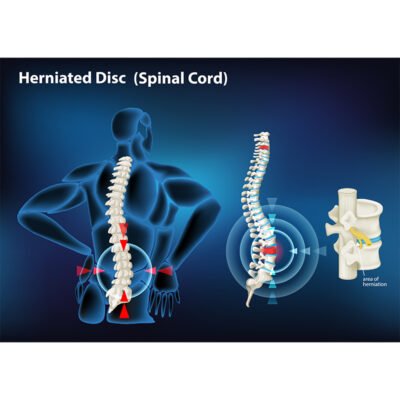

Slip Disc & Herniated Disc Treatment, Without Surgery
From disc bulge to sciatica-causing herniation, our spine specialists in Pataudi, Gurgaon combine diagnostics, ozone therapy, and targeted physiotherapy to relieve nerve pain and restore movement - surgery only when truly needed.
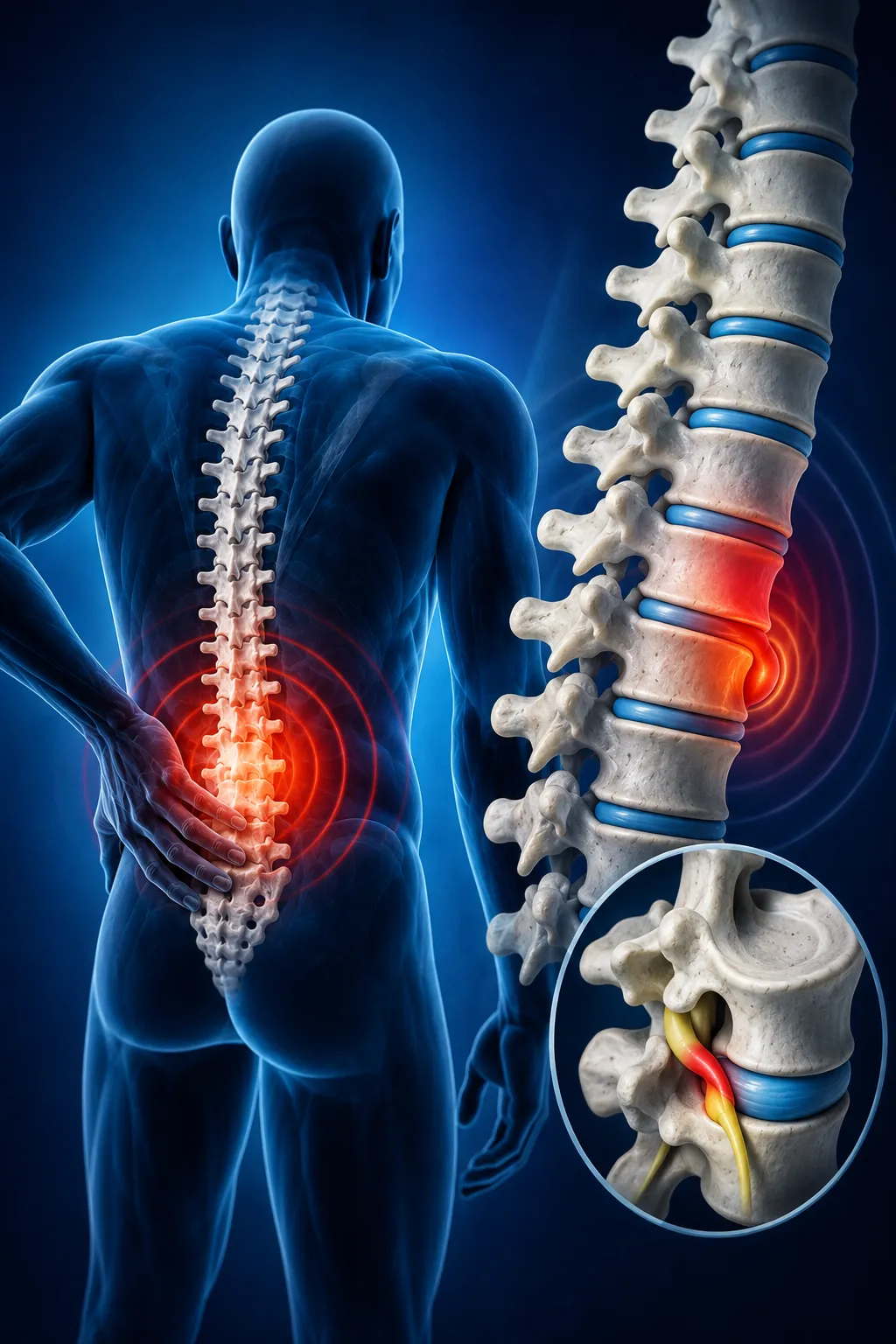
Common Symptoms of a Disc Problem
Disc-related pain rarely stays in one place. Here's what patients usually notice first - the earlier it's checked, the more treatment options stay non-surgical.
Back pain: Dull, aching pain in the lower back or neck that often worsens with movement, bending, or lifting.
Radicular pain: Sharp, shooting pain radiating into the buttocks, legs (sciatica), arms, or shoulders - typically from nerve compression by a herniated disc.
Numbness or tingling: "Pins and needles" sensations in the extremities, usually following the path of the affected nerve.
Muscle weakness: Reduced strength or muscle function in the legs or arms, particularly when nerve compression is present.
Noticing two or more of these symptoms together? An early evaluation can prevent the problem from progressing.
Get EvaluatedWhat Leads to a Disc Problem?
Disc issues are rarely caused by one thing alone - usually it's a mix of age, mechanics, and daily habits acting on the spine over time.
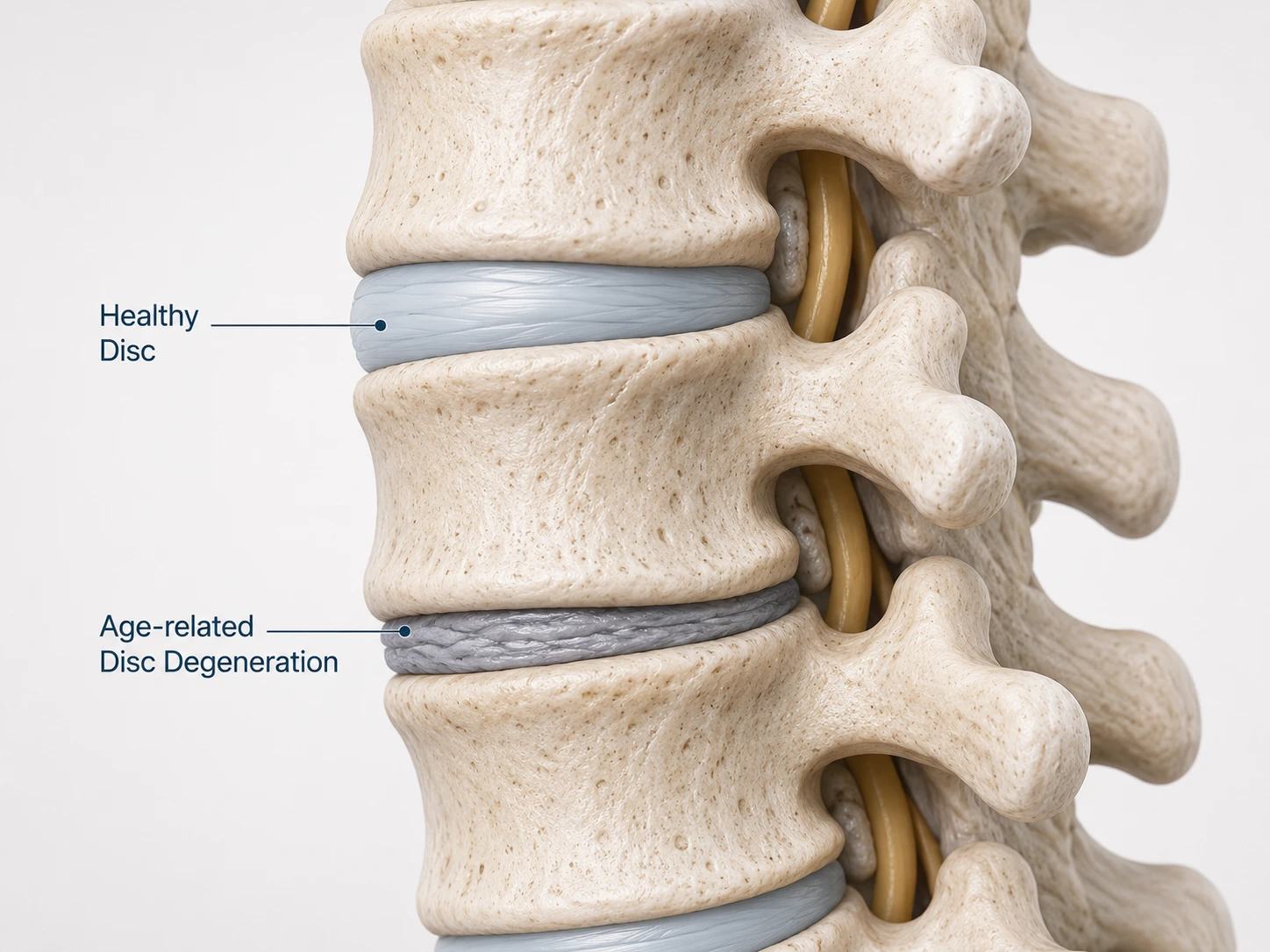
Age-related degeneration
As people age, spinal discs naturally lose water content, elasticity, and height - leading to bulging, herniation, or degenerative disc disease.
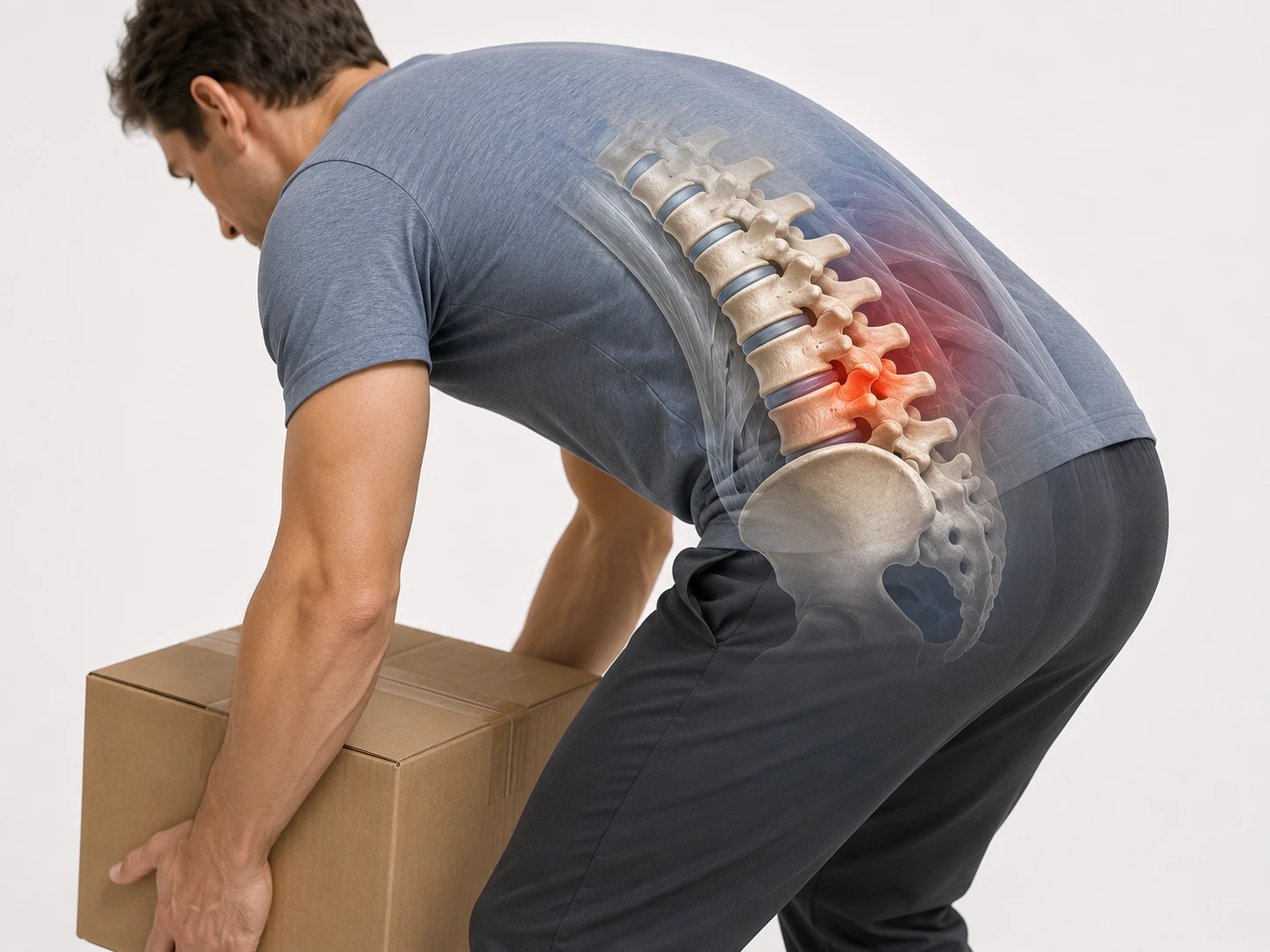
Trauma or injury
Falls, road accidents, or sports impacts can cause disc herniation or rupture. Poor posture and improper lifting add repetitive stress over time.
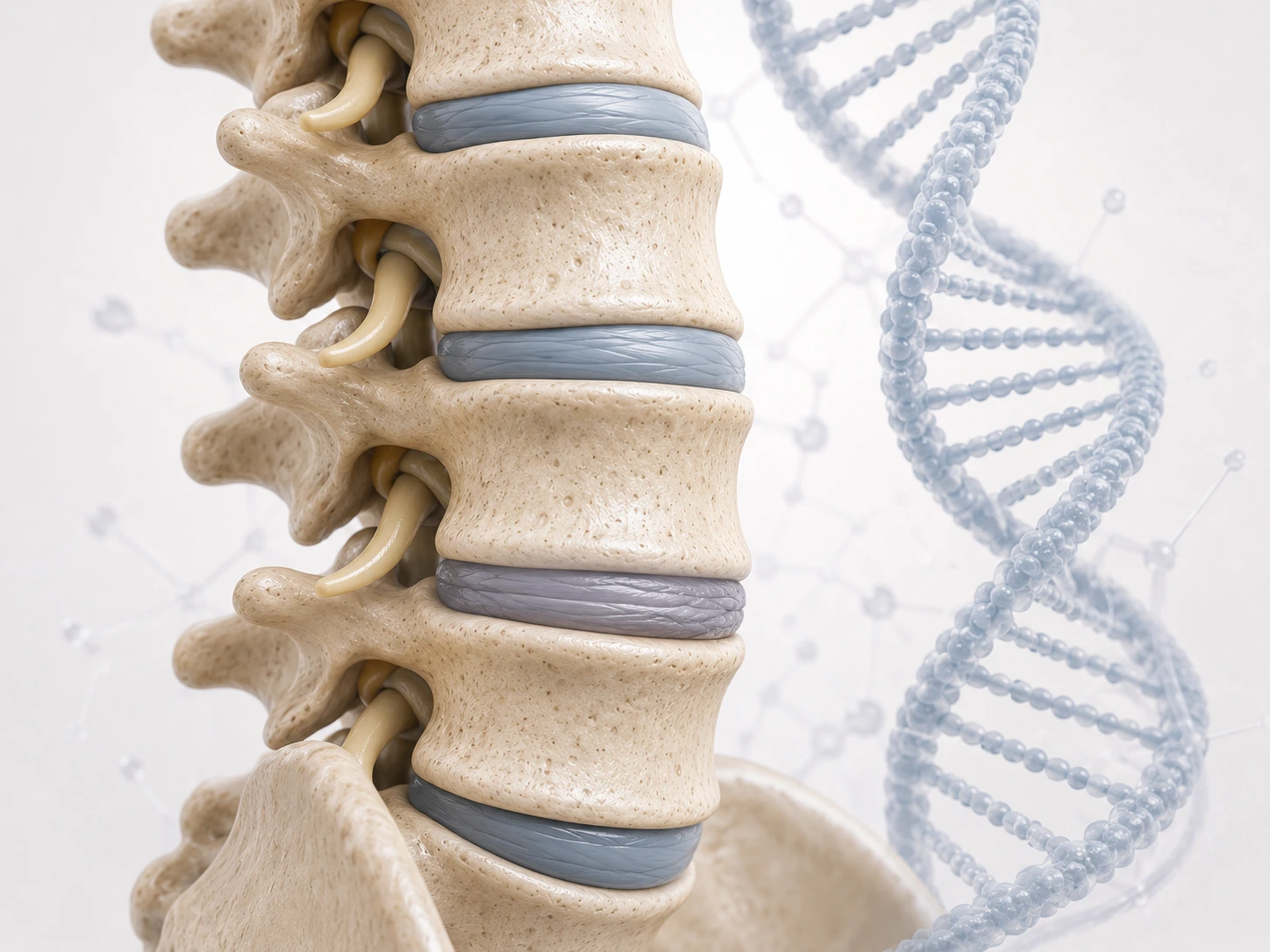
Genetics
A family history of spine problems can predispose individuals to conditions such as degenerative disc disease or disc herniation.
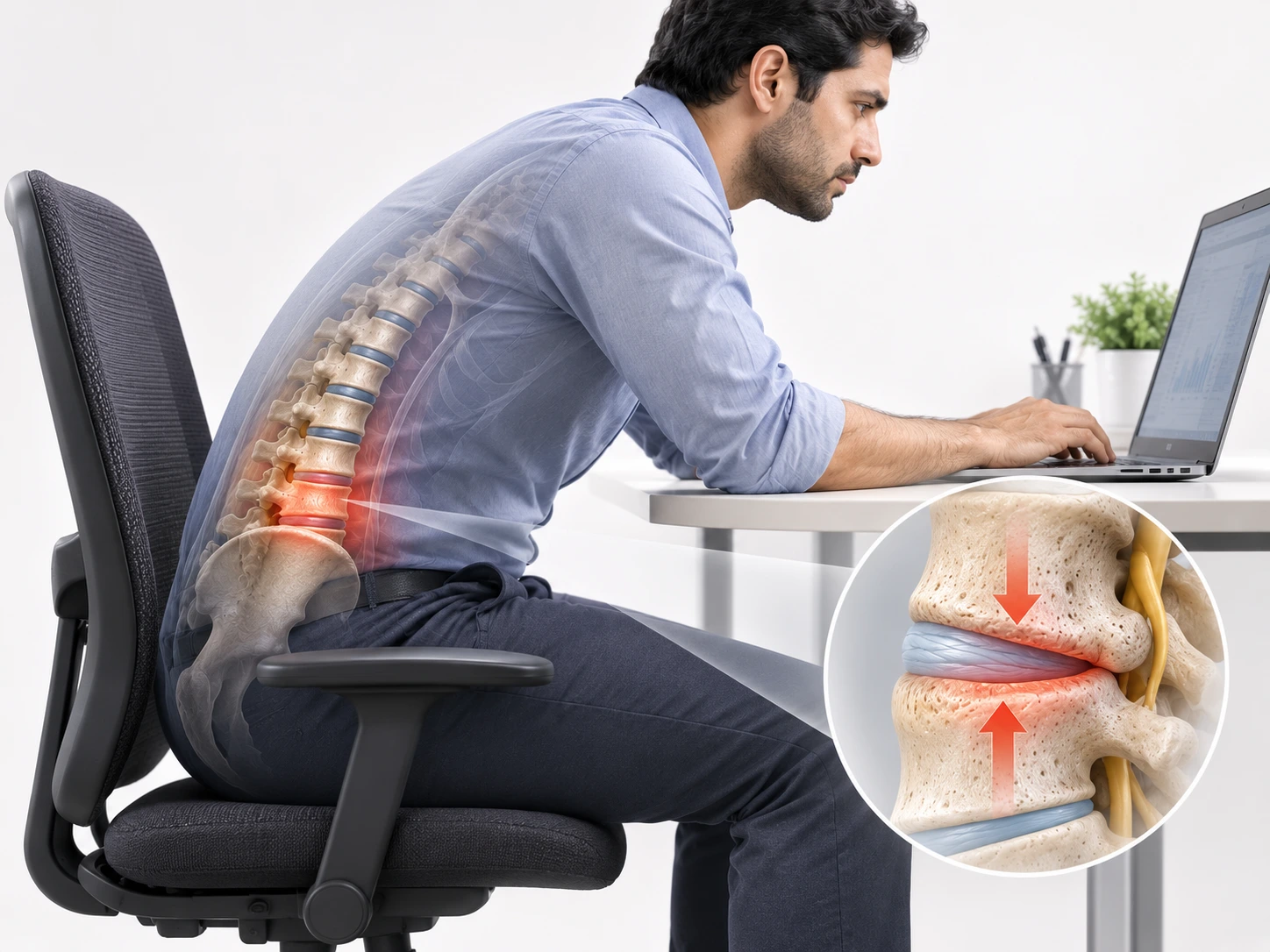
Lifestyle factors
Smoking, obesity, and a sedentary routine contribute to disc degeneration and raise the risk of developing disc problems.
Types of Disc Problems We Treat
Not every "slip disc" is the same condition. Correctly identifying the type shapes the right treatment path.
Disc Bulge
The disc extends slightly beyond its normal boundary without rupturing. Often manageable with physiotherapy, posture correction, and pain management alone.
Disc Herniation (Slip Disc)
The inner gel-like core pushes through a tear in the outer wall, often pressing on nearby nerves and causing radiating pain, numbness, or weakness.
Degenerative Disc Disease
Progressive wear reduces disc height and cushioning over time, leading to chronic stiffness and recurring back or neck pain.
Non-Surgical Treatment Options
Most disc problems respond well to a structured, non-surgical care plan. We tailor a combination of the following based on your diagnosis.
Physiotherapy
Targeted exercises and manual therapy to strengthen supporting muscles, improve posture, and relieve pressure on the affected disc.
Learn more →Ozone Therapy
A minimally invasive injection technique that helps shrink disc material and reduce inflammation around compressed nerves.
Learn more →PRP Therapy
Platelet-rich plasma from your own blood is used to support tissue healing and reduce chronic pain around the spine.
Learn more →What Happens After You Book
A clear, step-by-step path from your first visit to recovery.
Consultation
A detailed history and physical exam to understand your pain pattern and mobility.
Diagnosis & Imaging
MRI or X-ray review to confirm the type and severity of the disc problem.
Personalised Plan
A treatment combination chosen for your condition - physiotherapy, ozone, PRP, or a referral for surgery only if required.
Recovery & Follow-up
Progress is tracked with scheduled follow-ups to keep you moving toward full recovery.

Spine & Pain Management Team
Our orthopaedic and pain-management specialists focus on resolving disc problems with the least invasive option first - helping patients avoid surgery wherever it's clinically safe to do so.
- Specialised training in spine care & interventional pain management
- Extensive experience treating slip disc and sciatica cases
- Personalised, non-surgical-first treatment philosophy
- On-site imaging, physiotherapy, and follow-up care under one roof
Understand Slip Disc & Your Treatment Options
Watch Dr. Sunil Saini explain slip disc, its symptoms, non-surgical treatment options, and exercises that may support back pain recovery.
What Is a Slip Disc?
A simple explanation of disc problems, their symptoms, and how they can affect your daily life.
Non-Surgical Treatment Options
Learn about non-surgical approaches that may help manage pain and improve mobility.
Safe Exercises for Back Pain
Learn about gentle movements and exercises that may support back mobility and recovery.
What Our Patients Say
Real experiences from patients treated for disc problems at Global Healthcare India. (Sample layout — replace with verified patient testimonials.)
"I'd been living with shooting leg pain for months. After a few sessions of ozone therapy and physio, I could finally sit through a full work day again."
"The team explained exactly what my MRI showed and why surgery wasn't the first step. That clarity alone made the whole process less scary."
"Regular follow-ups kept me on track. My lower back pain has gone from constant to occasional, and I'm back to my morning walks."
Common Questions About Disc Problems
Straight answers to what patients usually ask before their first visit.
Is surgery always required for a slip disc?
How is a disc problem diagnosed?
What is ozone therapy for disc problems?
How long does recovery usually take?
Can I prevent a disc problem from recurring?
Don't let disc pain limit your day.
Book a consultation with our spine specialists in Pataudi, Gurgaon and get a personalised, non-surgical-first treatment plan.