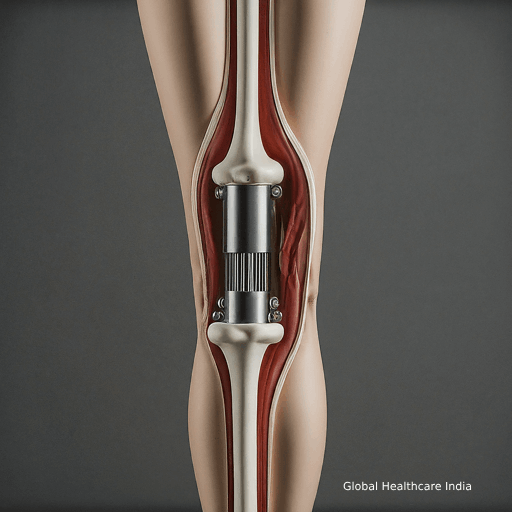

Limb Lengthening Surgery,Planned to the Millimetre.
Personalised treatment for limb length discrepancy, deformity correction and stature lengthening using advanced techniques with precise planning, regular monitoring and dedicated rehabilitation.
Two different journeys, both built on the same precision.
Medical Correction
For limb length discrepancy, congenital shortening, post‑trauma deformity or non‑union fractures - where lengthening restores function and gait.
- Limb length discrepancy after fracture or infection
- Congenital short femur or tibia
- Angular deformity correction alongside lengthening
- Often considered alongside insurance / trauma cover
Stature Lengthening
Elective height lengthening for adults who are medically fit and want a planned, staged increase in height under surgical supervision.
- Typically 5–8 cm gain, staged across femur and/or tibia
- Requires a fitness & imaging work‑up before scheduling
- Longer consolidation window is part of the plan, not a delay
- Discussed openly - including who we'd advise against it for
Limb lengthening, explained plainly.
Roughly how much a bone lengthens per day during the distraction phase - slow enough for the surrounding muscle, nerves and skin to adapt safely alongside it.
Distinct phases every case goes through - surgical, lengthening, and consolidation - each with its own monitoring schedule. See the full timeline below.
Matched to the bone, the gap, and the goal.
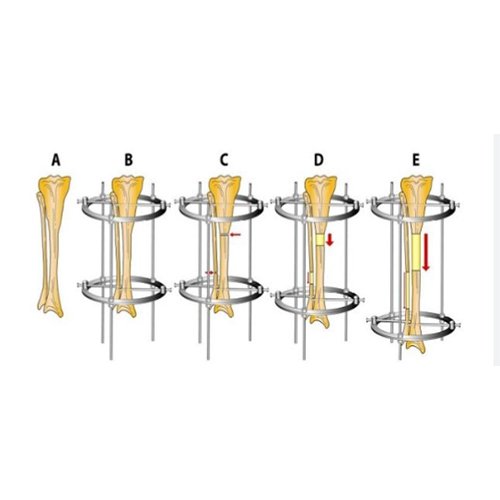
Ilizarov Method
A circular external frame - the original, still the most versatile option for complex deformity correction.
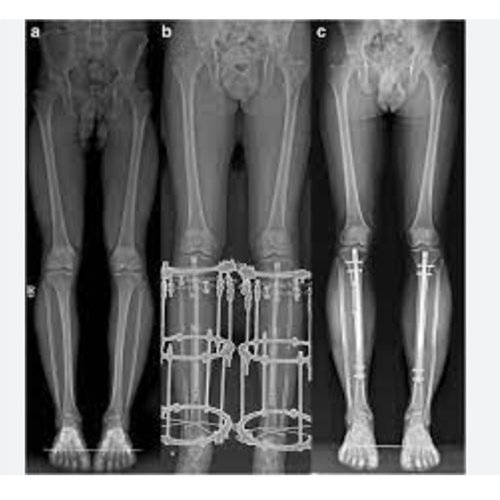
LON Method
External frame paired with an internal nail - shortens frame-wearing time versus Ilizarov alone.
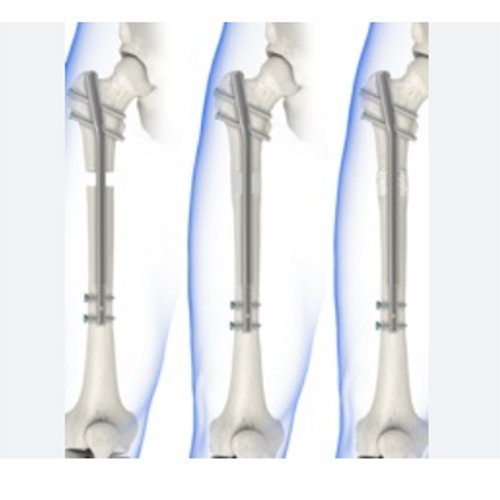
PRECICE - Femur
Fully internal, magnetically driven nail for the thigh bone - no external frame to manage day to day.
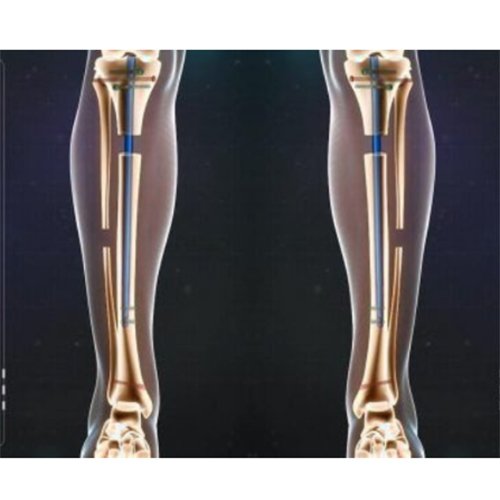
PRECICE - Tibia
The same magnetic nail system, sized and angled for the shin bone.
From first cut to full weight-bearing.
1. Surgical Phase
- Pre‑surgery imaging & a personalised treatment plan
- Controlled bone cut, fixation device fitted
- Incisions closed with sutures or staples
2. Lengthening Phase
- Device activated, adjusted daily by the patient
- Bone lengthens at roughly 1 mm per day
- Regular imaging tracks progress, plan adjusted as needed
3. Consolidation Phase
- New bone hardens over several months
- Device removed once healing is confirmed
- Physiotherapy restores strength & gait
No two treatment plans cost the same - here's what actually moves the number.
We don't believe in a one-size price for a procedure this individual. These are the real levers - your exact estimate comes after a clinical evaluation, at no obligation.
Technique chosen
External frame vs. internal PRECICE nail
Length required
Centimetres needed per bone segment
Bones involved
One limb, one bone, or a staged plan
Hospital stay
Admission & monitoring duration
Rehab plan
Physiotherapy & follow‑up visits
Want a number, not just factors?Send your X-rays or case details and our team will call back with an indicative estimate.
Get My Cost EstimateWe'd rather tell you honestly than sell you a surgery.
🟢 Typically good candidates
- Skeletally mature, in good general health
- Clear limb length discrepancy or deformity on imaging
- Realistic about the multi‑month timeline
- Able to commit to physiotherapy through consolidation
🟠 We'll evaluate carefully first
- Active infection, poor bone density, or uncontrolled diabetes
- Significant vascular or nerve conditions in the limb
- Unrealistic expectations about final height gain
- Smoking or conditions that slow bone healing
Meet your surgeon.

Dr. Sunil Saini
Trauma & Ilizarov SurgeonLeads limb reconstruction and deformity correction cases at Global Hospital & Trauma Centre, working across Ilizarov, LON and PRECICE nail techniques and coordinating the surgical, lengthening and rehab teams through every phase of care.
Frequently asked questions.
There's discomfort during the lengthening phase as tissue gradually stretches, but it's managed with pain medication and physiotherapy. Most patients describe it as manageable rather than severe, and it eases significantly once consolidation begins.
The surgery itself is the same technique — the difference is intent. Medical cases correct an existing discrepancy or deformity; stature lengthening is an elective choice by a medically fit adult to gain height. Both go through the same evaluation, surgical, and rehab process.
Partial weight-bearing often begins during the lengthening phase itself, with support. Full, unassisted walking typically follows after consolidation and a structured physiotherapy programme, once the new bone is confirmed strong enough on imaging.
Gains are planned per bone segment and are discussed individually based on your imaging and goals — total height increase is typically staged across one or two procedures rather than achieved in a single surgery.
Technique (external frame vs. internal nail), how many centimetres and bones are involved, hospital stay length, and your rehab plan. We provide a written estimate only after reviewing your case — see the cost section above.
Yes — Global Healthcare India regularly supports patients travelling from outside the region, including help with planning visit timing around the surgical and follow-up schedule. Reach out to our team to coordinate.
Real journeys. Step by step.
Sample testimonial copy — replace with real, consented patient reviews before publishing.
“I was nervous about limb lengthening because I knew it would be a long process. The doctor explained how the lengthening would be done, how much time recovery could take, and what I needed to do during rehabilitation. Having that clarity made the journey much easier to manage.”
“The actual treatment was only one part of the journey. The daily exercises and physiotherapy required a lot of consistency. The regular follow-ups helped me understand my progress and stay on track throughout the lengthening and recovery period.”
“What I appreciated most was the detailed planning before starting treatment. Every stage was discussed with me, from the procedure and gradual lengthening to physiotherapy and follow-up. It helped me approach the process one step at a time.”