

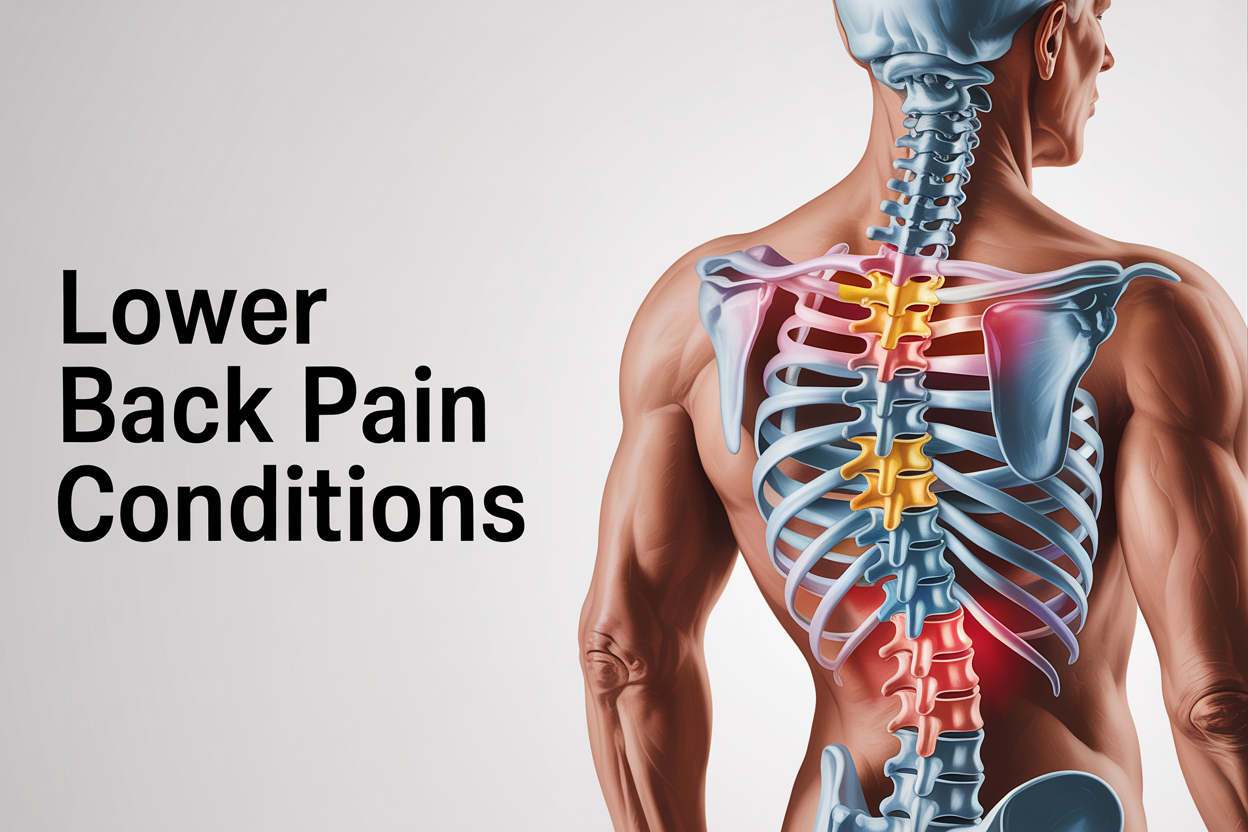
Lower back pain affects millions of people and often stems from specific spine conditions that develop over time. This guide is for anyone experiencing persistent lower back discomfort who wants to understand what might be causing their pain and when to seek help.
We’ll explore five spine conditions that commonly cause lower back pain, starting with herniated discs and how these natural shock absorbers can fail you. You’ll also learn about spinal stenosis and the narrowing pathways that pinch nerves, plus degenerative disc disease and the natural wear-and-tear that comes with aging. Each condition has distinct symptoms and treatment options that can help you get back to your normal activities.
Herniated Disc – Understanding When Your Spinal Cushions Fail
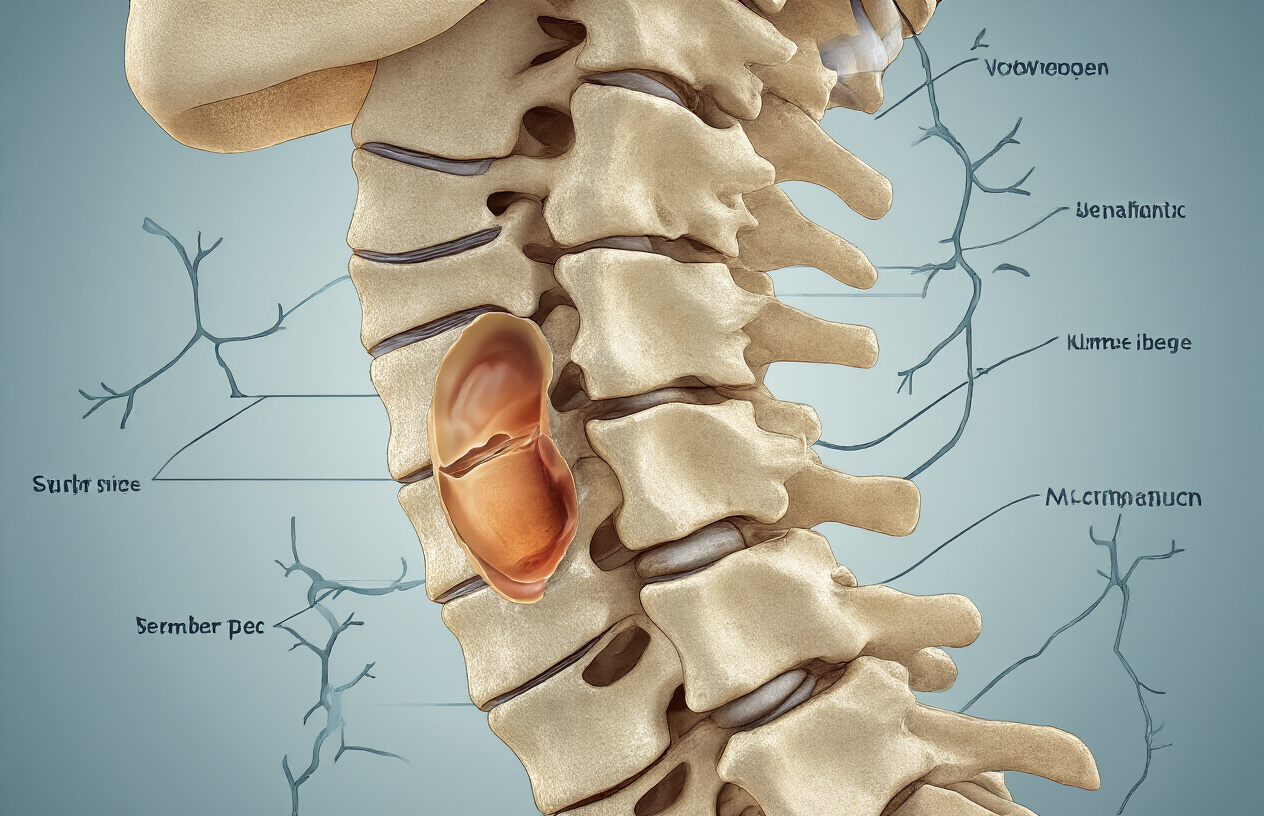
Recognize the Warning Signs of Disc Herniation
Sharp, shooting pain radiating from your lower back down your leg signals potential disc herniation. You might experience numbness, tingling, or weakness in your leg or foot. Pain often worsens when sitting, coughing, or sneezing due to increased pressure on the affected disc.
Identify Which Movements Trigger Your Pain
Bending forward typically aggravates herniated disc pain, while leaning backward provides relief. Sitting for extended periods, lifting heavy objects, or twisting movements can intensify symptoms. Walking uphill or standing generally feels better than sitting or forward flexion activities.
Learn How Age and Lifestyle Accelerate Disc Degeneration
Discs naturally lose water content and flexibility after age 30, making them prone to tears. Smoking reduces oxygen flow to spinal tissues, accelerating breakdown. Poor posture, repetitive lifting, and excess weight place additional stress on already vulnerable discs, speeding degeneration.
Understand the Connection Between Herniated Discs and Sciatica
When herniated disc material compresses the sciatic nerve, it creates the classic sciatica pattern of pain traveling from your lower back through your buttock and down your leg. This compression can cause burning, electric-like sensations and may affect muscle strength in the affected leg.
Spinal Stenosis – When Your Spine’s Pathways Narrow
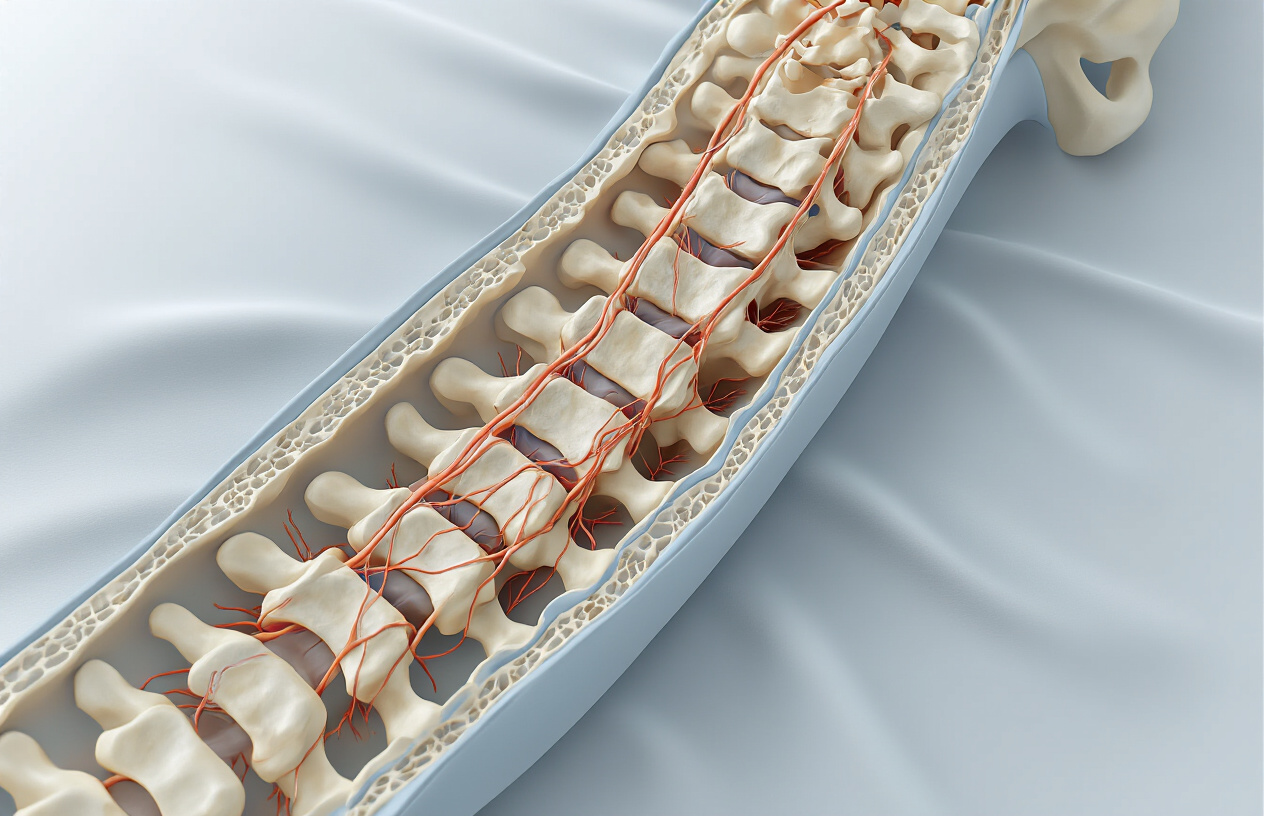
Spot the Telltale Symptoms of Narrowed Spinal Channels
Spinal stenosis creates a distinctive pattern of symptoms that many people initially mistake for general aging. The most common complaint involves leg pain, numbness, or weakness that develops during walking or standing. This pain often starts in the lower back and radiates down into the buttocks and legs, creating a burning or cramping sensation. Many patients describe feeling like their legs are “giving out” or becoming heavy during activity. The pain typically worsens with walking downhill or on flat surfaces, while uphill walking may actually feel more comfortable due to the natural forward lean it requires.
Discover How Walking Distance Becomes Limited
The hallmark of spinal stenosis is something called neurogenic claudication – a fancy term for leg pain that kicks in after walking short distances. Most people with this condition find their comfortable walking distance shrinks dramatically over time. What once was an easy stroll around the block becomes a series of stops and starts. The distance varies from person to person, but many can only walk 100-200 yards before needing to rest. Shopping trips become exercises in finding benches or leaning on shopping carts. The pain forces frequent breaks, making simple errands frustrating and time-consuming.
Understand Why Leaning Forward Provides Relief
The forward-leaning position acts like a natural decompression therapy for your spine. When you lean forward – whether over a shopping cart, walking stick, or bicycle handlebars – you actually increase the space within your spinal canal. This extra room takes pressure off compressed nerves and allows better blood flow to the affected areas. That’s why many people with spinal stenosis can walk much farther in grocery stores while leaning on a cart compared to walking upright on flat ground. The “shopping cart sign” is so common that doctors often use it as a diagnostic clue when evaluating patients for this condition.
Degenerative Disc Disease – Managing Age-Related Spine Changes
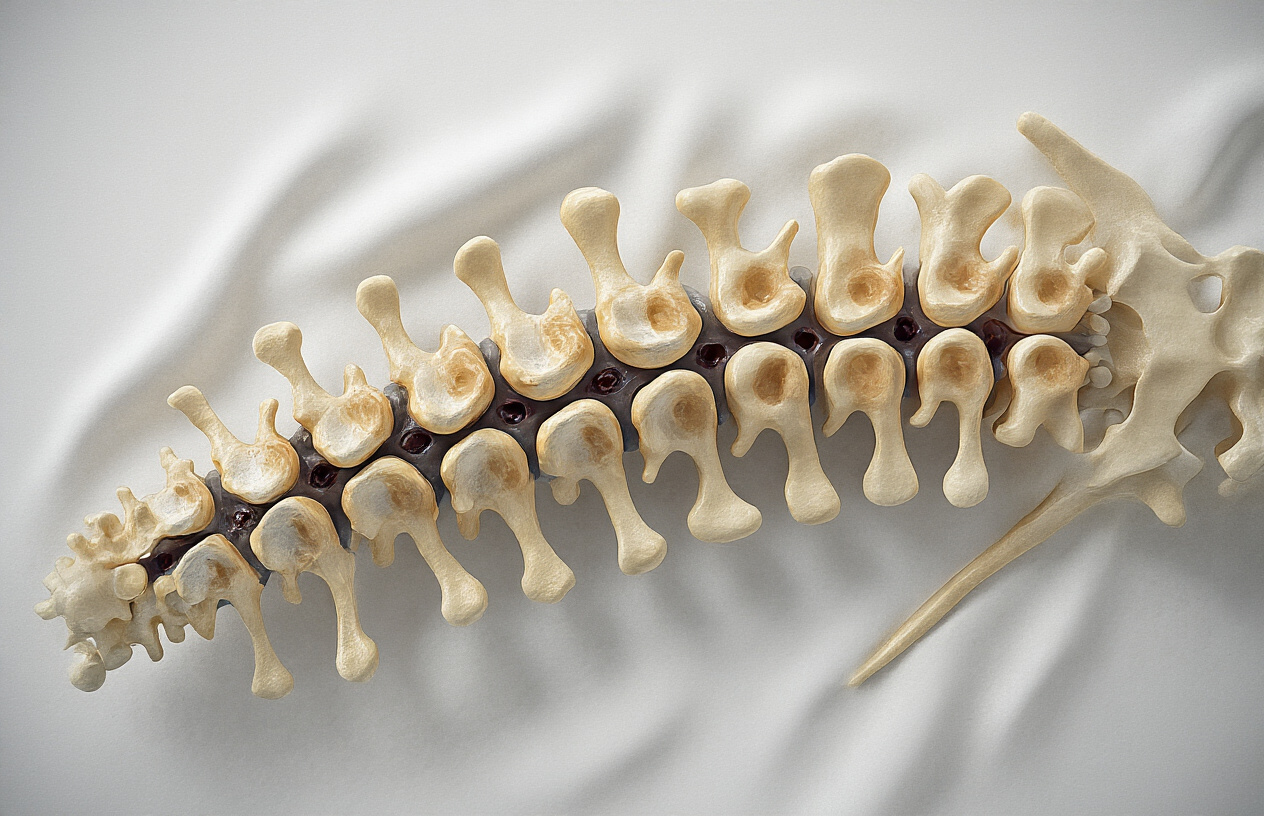
Recognize How Natural Aging Affects Your Discs
Your spinal discs act like shock absorbers between vertebrae, but time takes its toll on these crucial structures. As you age, discs naturally lose water content and become less flexible. The tough outer layer develops tiny cracks while the gel-like center dries out. This process typically begins in your twenties and accelerates after forty. Unlike other body parts, discs have limited blood supply, making repair difficult once damage occurs.
Identify Pain Patterns That Worsen with Sitting
Sitting puts more pressure on your lower back discs than standing or lying down. You might notice sharp pain when getting up from chairs or prolonged aching during desk work. The pain often radiates to your buttocks or thighs and improves when you walk around. Driving long distances becomes uncomfortable, and you may find yourself shifting positions frequently. Forward bending activities like tying shoes or picking up objects typically trigger immediate discomfort.
Learn Why Morning Stiffness Signals Disc Problems
Your discs rehydrate overnight as you sleep, causing them to swell slightly. Damaged discs don’t handle this fluid change well, creating morning stiffness and pain. You might feel like a rusty hinge for the first hour after waking up. Moving slowly helps, but sudden movements can trigger sharp pain. This stiffness usually improves as you move around and the discs adjust to weight-bearing activities throughout the day.
Understand the Role of Genetics in Disc Degeneration
Family history plays a bigger role than many people realize in disc problems. If your parents or siblings have back issues, you’re more likely to develop similar problems. Genetic factors influence disc structure, collagen quality, and how quickly your discs age. Some people inherit stronger discs that resist wear, while others get discs that break down faster. Environmental factors like smoking and poor posture can accelerate genetically predisposed disc degeneration.
Discover How Weight and Activity Impact Disease Progression
Extra weight puts constant stress on your lower back discs, speeding up wear and tear. Each pound of body weight translates to multiple pounds of pressure on your spine during movement. Sedentary lifestyles weaken supporting muscles, forcing discs to handle more load. Regular exercise strengthens your core and back muscles, reducing disc pressure. High-impact activities like running on concrete can worsen disc problems, while swimming and walking provide safer alternatives for staying active.
Facet Joint Syndrome – Addressing Your Spine’s Hidden Hinges
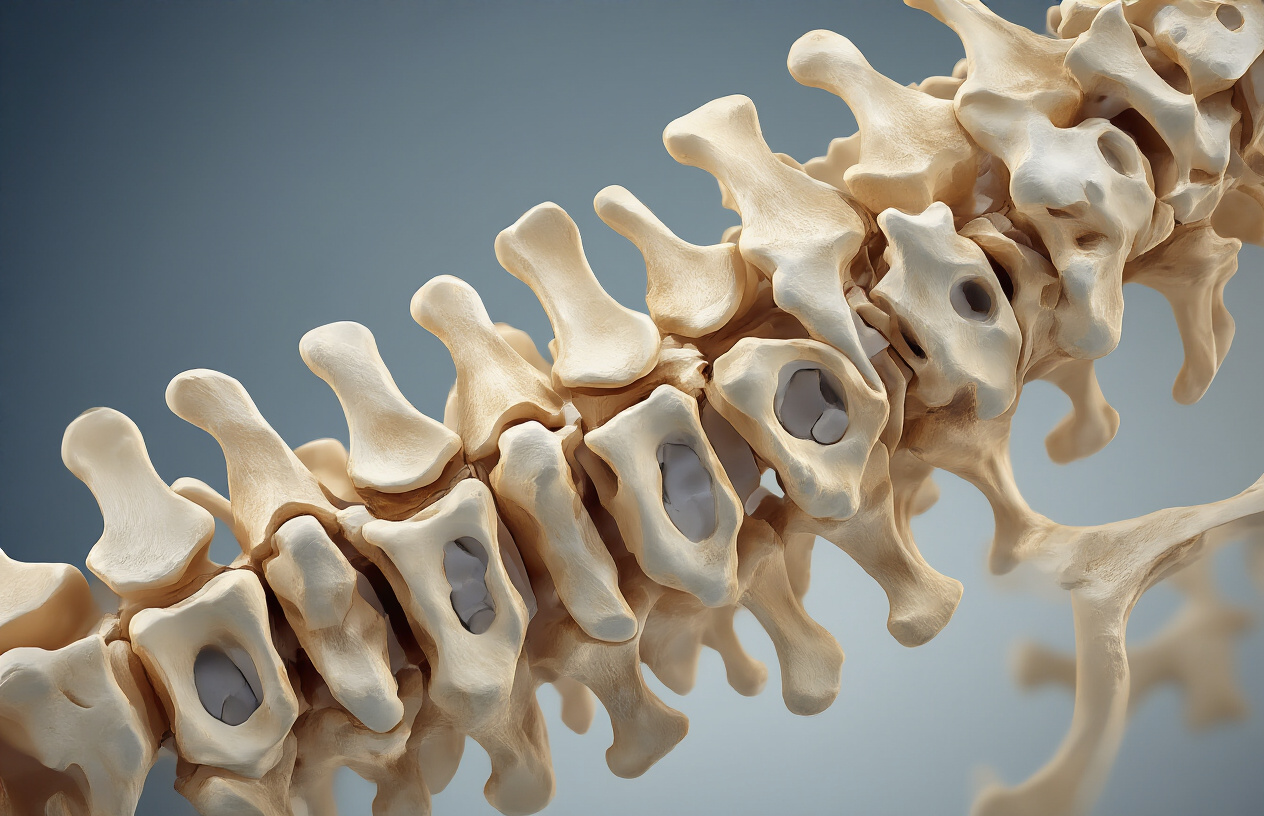
Understand How Facet Joints Control Spine Movement
Facet joints are small, paired joints located at the back of your spine that work like tiny hinges connecting each vertebra. These joints allow your spine to bend, twist, and extend while maintaining stability. Each vertebra has four facet joints – two pointing up and two pointing down – that interlock with neighboring vertebrae like puzzle pieces. Smooth cartilage covers these joints, and they’re surrounded by a joint capsule containing lubricating synovial fluid. When facet joints function properly, they guide spinal movement and prevent excessive motion that could damage your spine. However, when these joints become inflamed or degenerated, they lose their smooth gliding action and create friction, leading to pain and stiffness that can significantly impact your daily activities.
Recognize Pain That Worsens with Backward Bending
Facet joint syndrome creates a distinctive pain pattern that becomes noticeably worse when you arch your back or lean backward. This happens because backward bending (extension) compresses the facet joints together, increasing pressure on already inflamed or damaged joint surfaces. You might notice this pain when reaching overhead, standing up straight after bending forward, or walking downhill. The discomfort often feels like a deep ache in your lower back, sometimes accompanied by muscle spasms. Many people find relief when they lean forward slightly, such as when pushing a shopping cart or leaning on a counter, because this position opens up the facet joints and reduces compression. The pain typically stays localized to your back and doesn’t travel down your legs like disc-related problems often do.
Learn Why Arthritis Targets These Critical Joints
Facet joints are particularly vulnerable to arthritis because they bear significant weight and endure constant movement throughout your lifetime. Like other joints in your body, the cartilage covering facet joints can wear down over time, leading to osteoarthritis. This degenerative process accelerates when joints experience abnormal stress from poor posture, previous injuries, or genetic factors. As cartilage deteriorates, bone-on-bone contact occurs, causing inflammation, pain, and the formation of bone spurs. The synovial membrane lining these joints can also become inflamed, producing excess fluid and further contributing to discomfort. Risk factors include age, genetics, previous back injuries, obesity, and occupations requiring repetitive back motion. Unlike rheumatoid arthritis, which affects multiple joints systemically, facet joint arthritis typically develops gradually and affects specific spinal levels based on individual stress patterns and wear.
Identify How Facet Pain Differs from Disc Problems
Facet joint pain and disc pain create distinct symptom patterns that help doctors determine the source of your discomfort. Facet pain typically stays in your back and doesn’t radiate down your legs, while disc problems often cause shooting pain, numbness, or tingling into your buttocks and legs. Facet joint issues worsen with back extension and improve with forward bending, whereas disc pain often increases when sitting, coughing, or bending forward. Morning stiffness is common with facet problems and usually improves with gentle movement, while disc pain may remain constant regardless of position. Facet joint syndrome rarely causes significant weakness in your legs, but herniated discs can create noticeable strength loss or foot drop. The pain location also differs – facet pain centers around your spine and may spread to your buttocks, while disc pain often follows specific nerve pathways down your leg.
Spondylolisthesis – When Vertebrae Slip Out of Place
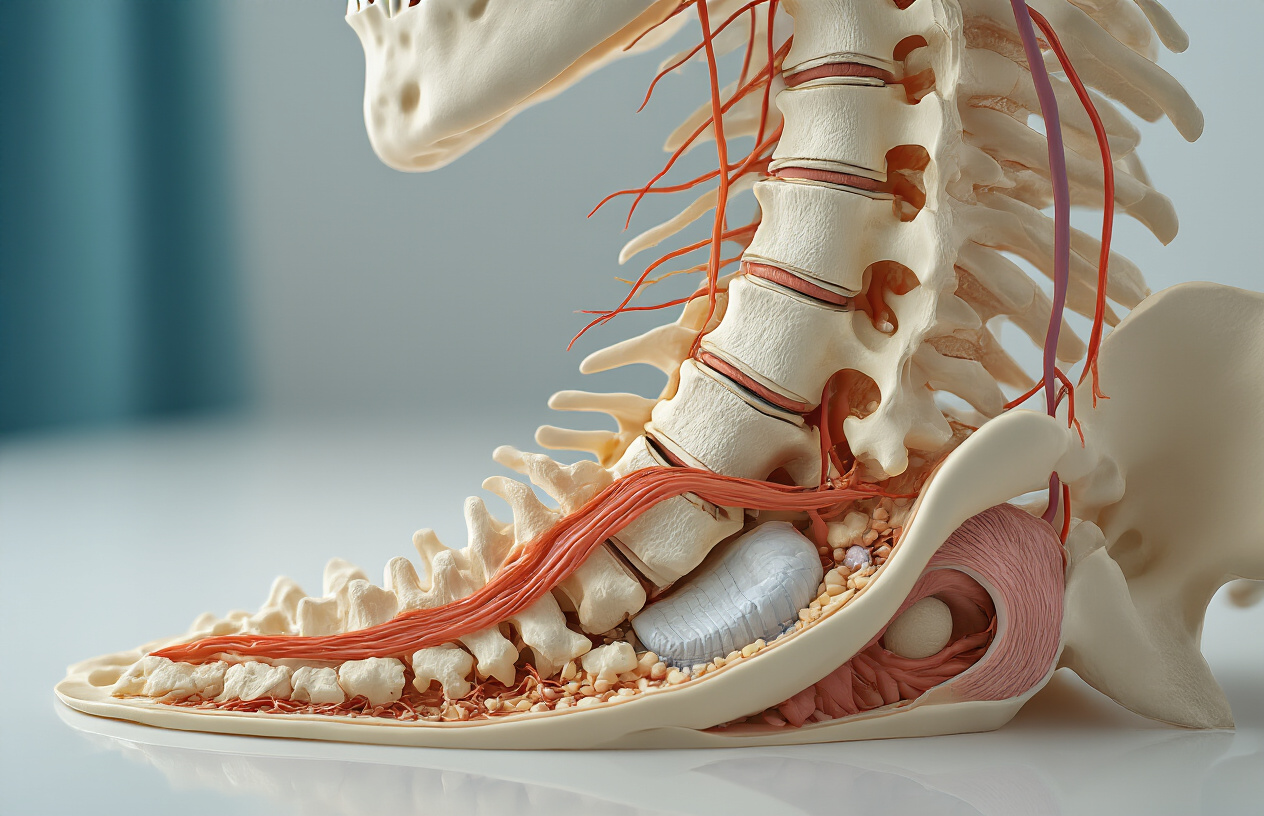
Understand How Forward Vertebra Slipping Causes Pain
When a vertebra slides forward over the one below it, the misalignment disrupts normal spinal mechanics and compresses nearby nerves. This forward slippage creates instability in your lower back, forcing surrounding muscles to work overtime to maintain support. The displaced vertebra can pinch nerve roots as they exit the spinal column, sending sharp pain down your legs. The severity of symptoms often correlates with how far the vertebra has moved – minor slips might cause occasional discomfort, while significant displacement can trigger debilitating pain that worsens with standing or walking.
Recognize the Difference Between Developmental and Degenerative Types
Developmental spondylolisthesis typically occurs during childhood when a stress fracture develops in the back portion of a vertebra, creating a weak point that allows forward slippage over time. This type most commonly affects the L5 vertebra and often goes unnoticed until adolescence when growth spurts increase the stress. Degenerative spondylolisthesis develops later in life as arthritis weakens the joints and ligaments that normally hold vertebrae in place. This age-related form usually affects the L4 vertebra and progresses gradually as joint deterioration allows the upper vertebra to slowly slide forward.
Learn Why Athletes Face Higher Risk of Vertebra Slippage
High-impact sports place repetitive stress on the lower spine, particularly activities requiring frequent hyperextension like gymnastics, football, and wrestling. The repeated arching motion creates tiny stress fractures in the pars interarticularis – the bridge of bone connecting the upper and lower joint surfaces. Young athletes are especially vulnerable because their growing bones haven’t fully matured, making them more susceptible to these stress-related injuries. Sports that combine jumping, twisting, and back-bending movements create the perfect storm for developing the initial fractures that can lead to vertebral slippage years later.
Identify Symptoms That Signal Progressive Vertebra Movement
Early warning signs include lower back stiffness that worsens after sitting for long periods and improves when you lean forward or sit down. As the condition progresses, you might notice leg pain or numbness that starts in your buttocks and travels down the back of your thighs. A classic red flag is experiencing increased pain when walking downhill or standing upright, while feeling relief when walking uphill or pushing a shopping cart. Some people develop a distinctive waddling gait as their body compensates for the spinal instability, and in severe cases, you might notice a visible step-off where one vertebra prominently protrudes.

- [ ]
Lower back pain doesn’t have to remain a mystery. The five conditions we’ve explored—herniated discs, spinal stenosis, degenerative disc disease, facet joint syndrome, and spondylolisthesis—account for most chronic back pain cases. Each has its own warning signs and treatment approaches, but early recognition makes all the difference in your recovery journey.
Don’t let back pain control your life any longer. If you’re experiencing persistent lower back discomfort, talk to your healthcare provider about which of these conditions might be affecting you. The sooner you get an accurate diagnosis, the faster you can start targeted treatment and get back to doing the things you love. Your spine supports everything you do—it’s time to give it the attention it deserves.