

Chronic pain affects millions of people worldwide, disrupting sleep, limiting mobility, and stealing joy from everyday activities. For those who’ve tried traditional treatments without lasting relief, PRP therapy and ozone therapy represent promising paths toward chronic pain relief and pain-free living.
These regenerative medicine approaches offer non-surgical pain treatment options for patients dealing with arthritis, joint injuries, back pain, and other persistent conditions. Unlike masking symptoms with medications, platelet-rich plasma treatment and ozone therapy work to address pain at its source by promoting natural healing processes.
This guide is written for chronic pain sufferers who want to explore alternative pain management beyond conventional methods, as well as their loved ones seeking effective chronic pain solutions.
We’ll explore how PRP therapy uses your body’s own healing compounds to reduce inflammation and repair damaged tissues. You’ll also discover how ozone therapy delivers targeted oxygen to boost cellular repair and provide natural pain relief. Finally, we’ll share real patient outcomes and help you understand what to expect from these innovative treatments.
Understanding Chronic Pain and Its Impact on Daily Life
The widespread prevalence of chronic pain conditions
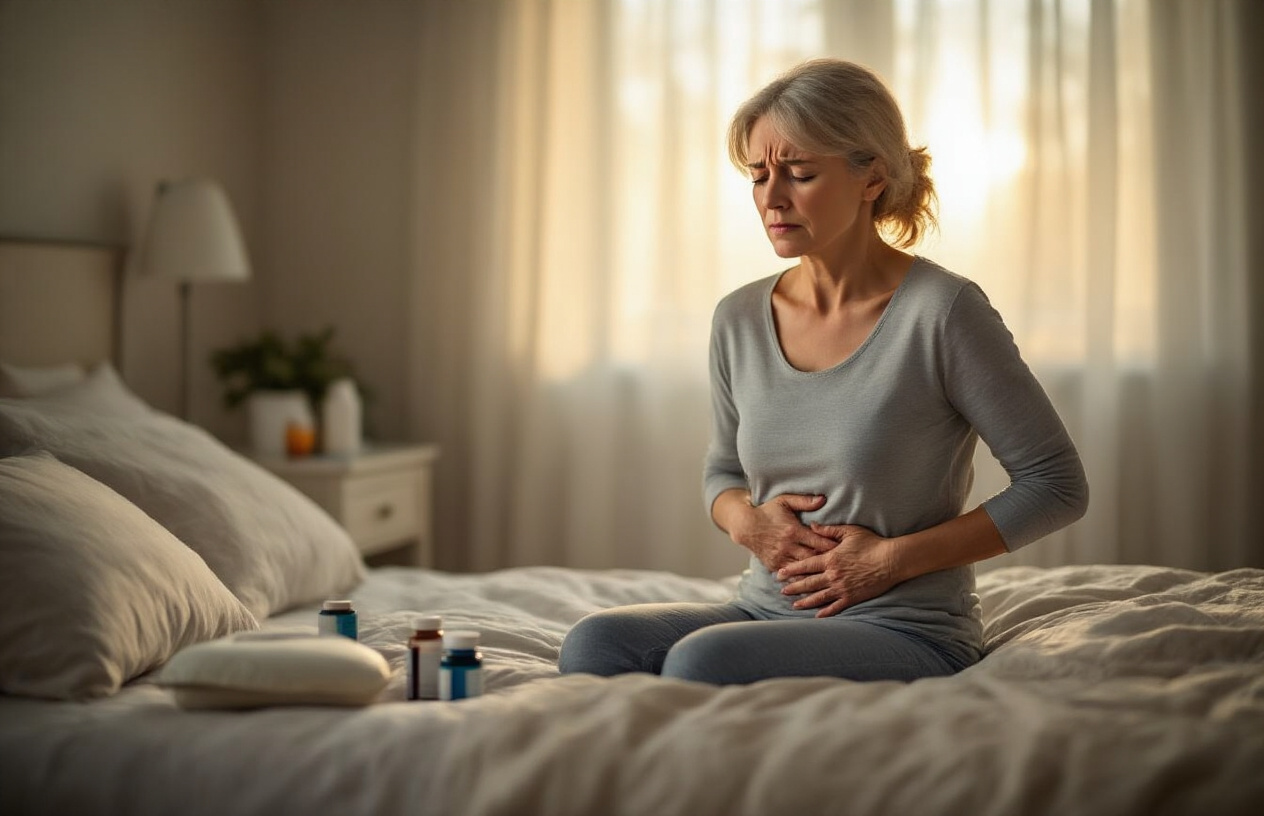
Chronic pain affects over 50 million adults in the United States alone, making it one of the most common health issues people face today. From arthritis and fibromyalgia to back injuries and nerve damage, these persistent conditions touch every age group and demographic. Many people struggle silently with pain that lasts months or years, often feeling isolated as their invisible suffering goes unrecognized by others.
How persistent pain affects work productivity and relationships
Living with constant discomfort creates ripple effects that extend far beyond physical symptoms. Work performance suffers as concentration becomes difficult and sick days accumulate. Simple tasks that once felt effortless now require tremendous effort and planning. Relationships strain under the weight of canceled plans, mood changes, and the inability to participate in activities that bring joy. Partners, friends, and family members often struggle to understand the daily reality of chronic pain, leading to feelings of disconnection and frustration on all sides.
Traditional pain management limitations and side effects
Conventional pain treatments often fall short of providing lasting relief while introducing their own complications. Prescription painkillers carry risks of dependency and tolerance, requiring higher doses over time for the same effect. Anti-inflammatory medications can cause stomach issues, kidney problems, and cardiovascular concerns with long-term use. Physical therapy helps some people but doesn’t address underlying tissue damage or inflammation. Surgery, while sometimes necessary, comes with significant risks and recovery time, and success isn’t guaranteed. Many patients find themselves cycling through different medications and treatments without finding sustainable solutions.
The emotional toll of living with constant discomfort
The psychological impact of chronic pain runs deep and affects mental health in profound ways. Depression and anxiety become common companions as hope for relief diminishes over time. Sleep disturbances worsen both physical pain and emotional well-being, creating a vicious cycle that’s hard to break. Social withdrawal happens gradually as activities become too challenging or unpredictable. Self-worth takes a hit when daily tasks require superhuman effort, and the fear of judgment from others who don’t understand invisible illness adds another layer of stress. This emotional burden often proves just as debilitating as the physical symptoms themselves.
What is PRP Therapy and How It Transforms Pain Relief
The science behind platelet-rich plasma and natural healing
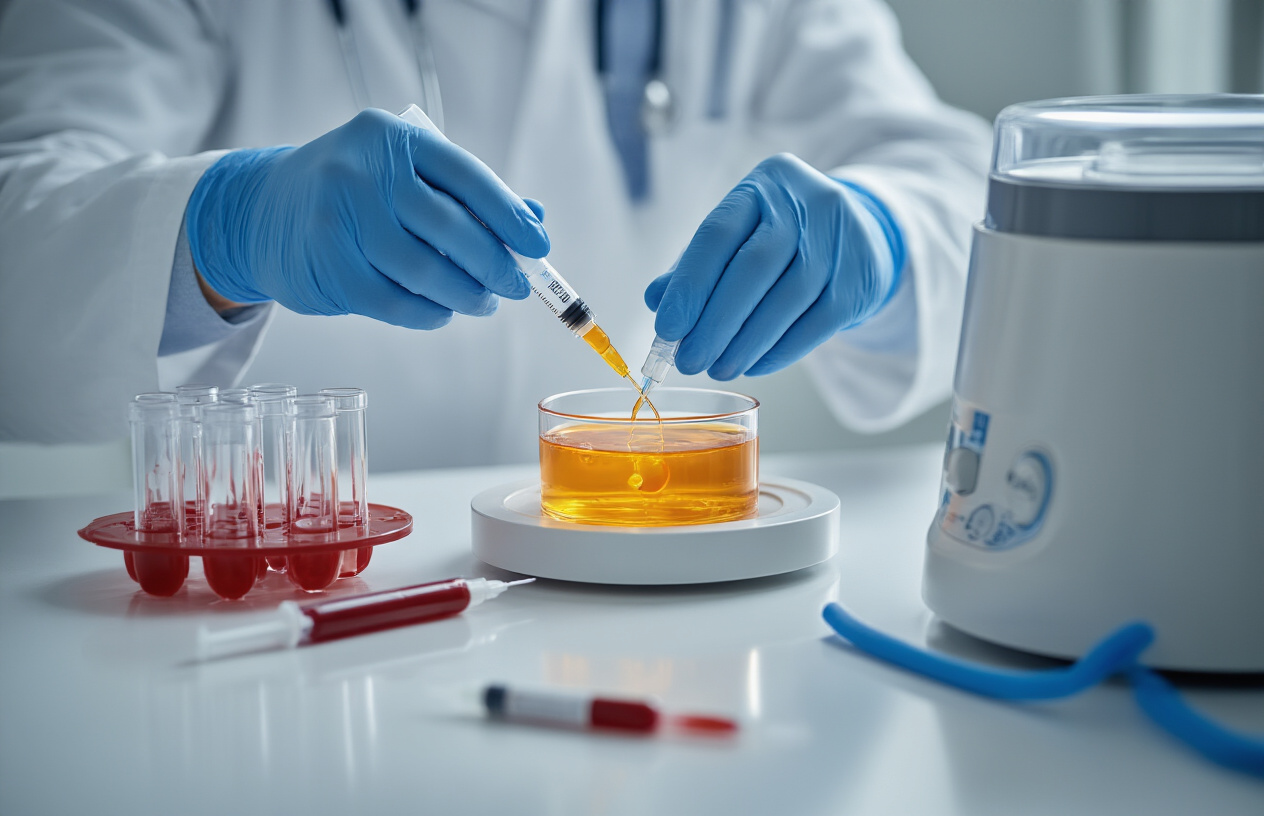
PRP therapy harnesses your body’s own healing mechanisms by concentrating platelets from your blood into a powerful therapeutic solution. Platelets contain over 300 growth factors and bioactive proteins that naturally trigger tissue regeneration. When injected into damaged areas, this concentrated platelet-rich plasma treatment creates a healing environment that’s 5-10 times more potent than normal blood, jumpstarting your body’s repair processes at the cellular level.
How PRP accelerates tissue repair and reduces inflammation
The concentrated growth factors in PRP work like biological messengers, signaling damaged tissues to rebuild themselves faster and stronger. These proteins reduce inflammatory markers while promoting new blood vessel formation and collagen production. The process transforms chronic pain by addressing root causes rather than masking symptoms, making PRP a cornerstone of regenerative medicine that delivers lasting results without pharmaceutical dependency.
Common conditions successfully treated with PRP injections
PRP therapy shows remarkable success across multiple pain conditions. Orthopedic applications include osteoarthritis, tendonitis, ligament injuries, and chronic back pain. Sports medicine professionals regularly use PRP for rotator cuff tears, tennis elbow, and plantar fasciitis. Beyond musculoskeletal issues, PRP effectively treats chronic wounds, hair loss, and certain skin conditions, making it a versatile non-surgical pain treatment option for diverse patient needs.
Expected timeline for pain reduction and recovery
Most patients experience initial pain reduction within 2-6 weeks after their first PRP injection, with continued improvement over 3-6 months. The healing timeline varies based on injury severity, patient age, and overall health status. Many conditions require 2-3 treatment sessions spaced 4-6 weeks apart for optimal results. Unlike temporary solutions, PRP creates lasting tissue repair that can provide years of pain-free living for many patients.
Ozone Therapy: Harnessing Oxygen for Pain-Free Living
Understanding medical ozone and its therapeutic properties
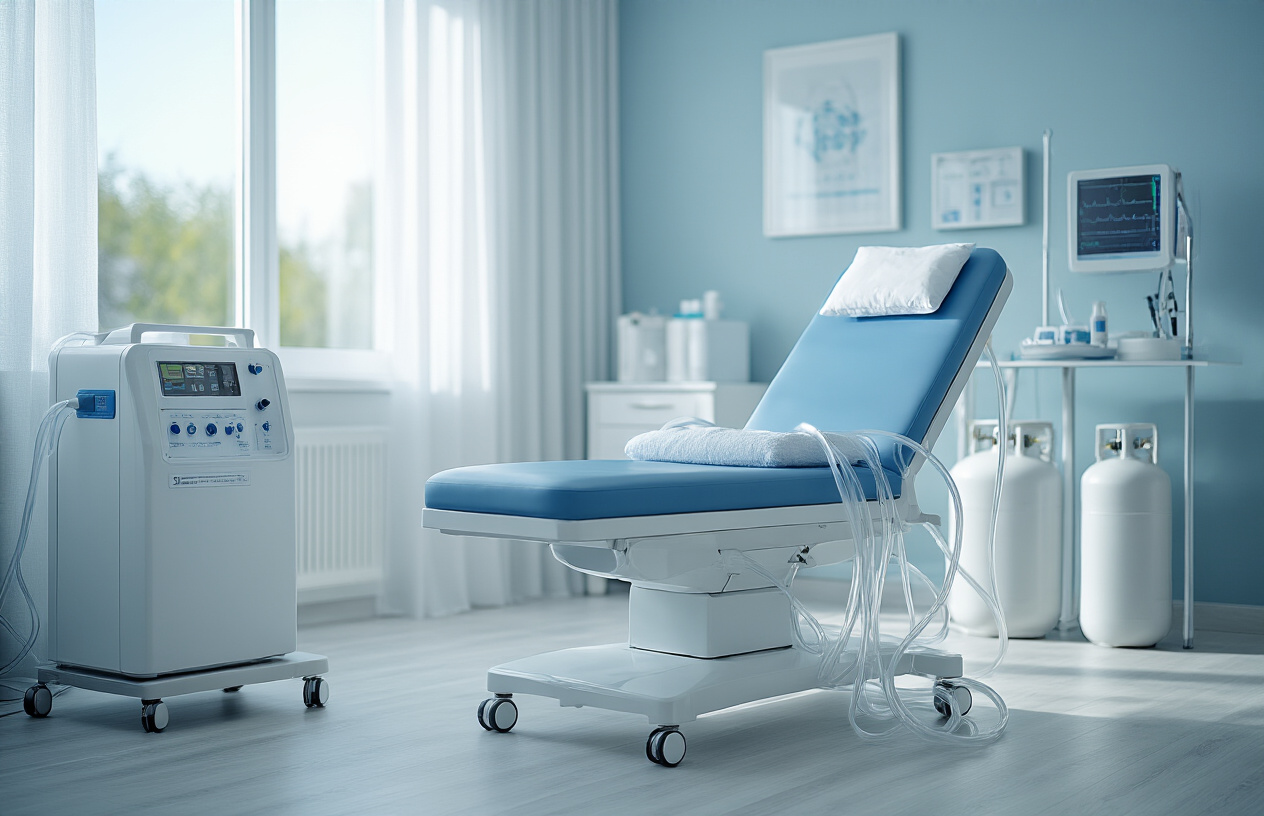
Medical ozone represents a powerful form of oxygen therapy that combines three oxygen atoms to create O3, a molecule with remarkable healing properties. Unlike the ozone in our atmosphere, medical-grade ozone is carefully controlled and purified for therapeutic use. This unique gas possesses potent antimicrobial, anti-inflammatory, and circulation-enhancing effects that make it incredibly effective for chronic pain relief. When introduced into the body, ozone stimulates the immune system, reduces inflammation at the cellular level, and promotes natural healing processes that can break the cycle of persistent pain.
How ozone therapy improves circulation and cellular function
Ozone therapy works by delivering oxygen directly to tissues that desperately need it for repair and regeneration. The treatment increases red blood cell flexibility, allowing better blood flow through even the smallest capillaries where pain and inflammation often originate. At the cellular level, ozone enhances mitochondrial function – the powerhouses of our cells – boosting energy production and accelerating healing. This improved cellular metabolism helps damaged tissues repair themselves more efficiently while reducing the inflammatory markers that contribute to chronic pain conditions. The therapy also stimulates the production of antioxidant enzymes, creating a protective environment that supports long-term pain relief.
Various delivery methods for maximum pain relief benefits
Intravenous Administration
- Major autohemotherapy: Blood is drawn, mixed with ozone, and reinfused
- Direct IV ozone: Controlled ozone delivery through specialized equipment
- Best for systemic pain conditions and widespread inflammation
Topical Applications
- Ozonated oils and creams for localized pain relief
- Ozone gas applied in specialized bags for wound healing
- Ideal for joint pain, muscle soreness, and skin-related discomfort
Injection Techniques
- Direct injection into affected joints or trigger points
- Subcutaneous administration for targeted pain relief
- Particularly effective for arthritis and localized inflammatory conditions
Rectal Insufflation
- Gentle introduction of ozone gas through the rectum
- Excellent absorption rate with systemic benefits
- Suitable for patients who cannot tolerate IV treatments
Each delivery method offers unique advantages, and many practitioners combine multiple approaches to maximize the pain relief benefits of ozone therapy for their patients’ specific conditions.
Real Patient Success Stories and Treatment Outcomes

At Global Healthcare India, we believe that the best way to understand the power of modern non-surgical therapies is to hear from real patients who have experienced life-changing results.
PRP Therapy for Knee Pain
Case: Knee Osteoarthritis (Mrs. Sharma, 58 years old)
Mrs. Sharma had been struggling with severe knee pain for years. Walking even short distances became difficult, and climbing stairs felt impossible. After undergoing Platelet-Rich Plasma (PRP) Therapy, she experienced a significant reduction in pain within a few weeks. Over the next three months, her mobility improved so much that she could resume her morning walks without the constant discomfort that once held her back.
Ozone Therapy for Back Pain and Sciatica
Case: Chronic Sciatica (Mr. Kumar, 42 years old)
Mr. Kumar suffered from radiating pain down his leg due to a herniated disc. Traditional medicines gave only temporary relief. With a minimally invasive Ozone Therapy procedure, his disc swelling reduced, and within weeks he reported almost 80% relief from his sciatica pain. Today, he is back to his normal work routine without dependence on heavy painkillers.
Case: Disc Problem & Chronic Back Pain (Mrs. Meeta Patel, 50 years old)
Aarti had constant lower back pain that made sitting at work unbearable. After trying multiple treatments, she opted for Ozone Therapy. Within a month, her pain reduced significantly, allowing her to focus on her career and personal life once again.
These stories reflect how advanced therapies like PRP and Ozone Therapy are not just about managing pain but about restoring hope, mobility, and quality of life for patients who once thought surgery was their only option.
We are proud of the life-changing results we’ve achieved for our patients. We invite you to witness their journey and hear their success stories firsthand.
- Watch Patient Testimonials on YouTube: Search for “Global Healthcare India” and “Dr. Sunil Saini” on YouTube to discover the transformative experiences of individuals who have found relief and a renewed quality of life through our treatments.
At Global Healthcare India, we believe in providing personalized, effective, and compassionate care. Explore the possibilities of non-surgical pain management with us and take the first step towards a pain-free future.
Safety Profiles and What to Expect During Treatment

Minimal side effects compared to pharmaceutical alternatives
Both PRP therapy and ozone therapy offer significantly safer profiles than traditional pain medications. PRP uses your body’s own platelets, eliminating risks of allergic reactions or drug dependencies common with opioids and NSAIDs. Ozone therapy introduces medical-grade oxygen that naturally breaks down without toxic byproducts. Patients typically experience mild soreness at injection sites rather than the stomach ulcers, liver damage, or addiction potential associated with long-term pharmaceutical pain management.
Treatment preparation and post-procedure care guidelines
PRP therapy preparation involves avoiding anti-inflammatory medications for one week prior to treatment, as these can interfere with platelet function. Patients should stay well-hydrated and eat a healthy meal before their appointment. Post-treatment care includes avoiding strenuous activity for 24-48 hours while allowing the growth factors to work. Ice application helps manage any swelling, though most patients report minimal discomfort.
Ozone therapy requires less preparation but patients should inform their practitioner about any medications or supplements. After treatment, drinking plenty of water helps flush metabolic byproducts while light movement promotes circulation. Both therapies encourage patients to avoid alcohol and smoking during the healing process to optimize results.
Ideal candidates for PRP and ozone therapies
Perfect candidates for regenerative medicine treatments include individuals with chronic joint pain, arthritis, or sports injuries who want to avoid surgery or reduce medication dependence. Patients with good overall health and realistic expectations see the best outcomes. Those taking blood thinners may need medical clearance, while pregnant women should postpone treatment.
People suffering from fibromyalgia, chronic back pain, or autoimmune conditions often find relief through ozone therapy’s immune-modulating effects. Age isn’t a barrier – both young athletes and seniors benefit from these natural pain relief therapies. The key factor is having adequate platelet function for PRP or healthy oxygen metabolism for ozone treatments.
Choosing the Right Treatment Path for Your Pain Condition

Factors determining PRP versus ozone therapy selection
Your specific pain condition plays the biggest role in choosing between PRP therapy and ozone therapy. PRP therapy works best for joint injuries, tendon problems, and arthritis since platelet-rich plasma directly targets damaged tissues with growth factors. Ozone therapy excels at treating widespread chronic pain conditions, fibromyalgia, and circulation issues because it boosts oxygen delivery throughout your body. Your age, overall health, and previous treatment history also matter – younger patients with localized injuries often respond better to PRP, while those with systemic conditions may benefit more from ozone treatments.
Benefits of combining both therapies for optimal results
Many patients find that combining chronic pain relief therapies creates a powerful one-two punch against persistent pain. PRP therapy kickstarts tissue repair at the injury site while ozone therapy enhances your body’s natural healing processes from within. This dual approach addresses both local damage and systemic inflammation, often delivering faster and longer-lasting results than either treatment alone. Some practitioners design protocols where ozone therapy prepares your body for PRP treatments, optimizing the healing environment before introducing concentrated growth factors.
Finding qualified practitioners and treatment centers
Not all doctors offer these alternative pain management options, so finding the right practitioner takes some research. Look for physicians certified in regenerative medicine who have specific training in both PRP and ozone protocols. Ask about their experience treating your particular condition and request to see before-and-after documentation from similar cases. Many integrative medicine centers, sports medicine clinics, and progressive pain management practices now offer these treatments. Check online reviews, verify credentials through medical boards, and don’t hesitate to schedule consultations with multiple providers to compare their approaches and expertise.
Cost considerations and insurance coverage options
Non-surgical pain treatment options like PRP and ozone therapy typically aren’t covered by traditional insurance plans, making cost a significant factor for many patients. PRP treatments usually range from $500-$2,000 per session, while ozone therapy costs between $100-$300 per treatment. Most patients need multiple sessions for optimal results, so budget for a complete treatment series rather than single appointments. Some practitioners offer payment plans or package deals for multiple treatments. Health Savings Accounts (HSAs) and Flexible Spending Accounts (FSAs) often cover these expenses, providing some financial relief for your journey toward pain-free living.

Living with chronic pain doesn’t have to be your permanent reality. PRP therapy works by using your body’s own healing mechanisms to repair damaged tissues, while ozone therapy boosts oxygen delivery to help reduce inflammation and speed recovery. Both treatments offer natural alternatives to traditional pain management, with many patients experiencing significant relief without the side effects of long-term medication use.
The success stories speak for themselves – people who couldn’t walk without pain are now hiking again, and those who struggled with daily activities have reclaimed their lives. These therapies are generally safe with minimal side effects, but choosing the right approach depends on your specific condition and pain triggers. Talk to a qualified healthcare provider who specializes in regenerative medicine to explore whether PRP, ozone therapy, or a combination approach could be your path back to comfortable, active living.