

Lower back pain affects millions of people worldwide, turning simple daily tasks into painful challenges. If you’re dealing with persistent back discomfort, you’re likely searching for effective lower back pain relief options that actually work.
This guide is designed for anyone experiencing lower back pain – from office workers with chronic aches to athletes recovering from injury, and everyone in between who wants to get back to living pain-free.
We’ll explore proven physiotherapy for back pain techniques that deliver real results, dive into the latest modern back pain treatments that are changing how we approach recovery, and show you how to build a personalized back pain recovery plan. You’ll also discover practical strategies for preventing lower back pain from returning, so you can stay active and comfortable for years to come.
Ready to take control of your back pain? Let’s get started.
Understanding Lower Back Pain Causes and Risk Factors
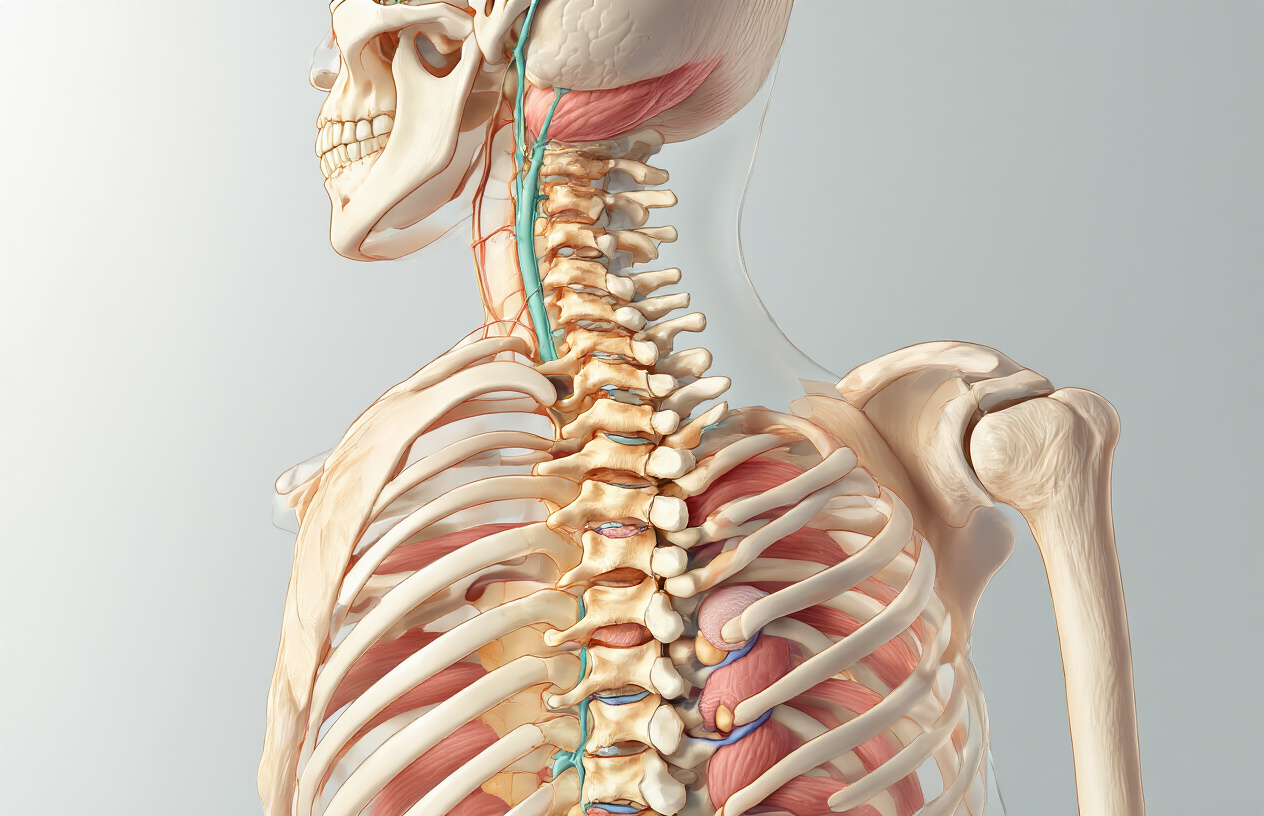
Common anatomical structures involved in back pain
Your lower back contains several key players that can cause trouble. The lumbar vertebrae form your spine’s foundation, while intervertebral discs act as shock absorbers between each bone. When these discs herniate or degenerate, they press against nearby spinal nerves, creating sharp pain that often radiates down your legs. The facet joints connect your vertebrae and can become inflamed from wear and tear. Your muscles, including the erector spinae and deep stabilizers like the multifidus, support your entire spine. Ligaments hold everything together, but they can stretch or tear from sudden movements. Even your sacroiliac joints, where your spine meets your pelvis, contribute to lower back pain causes when they become misaligned or irritated.
Lifestyle factors that contribute to chronic pain
Modern life creates perfect conditions for chronic lower back pain treatment needs. Sitting for hours weakens your glutes and hip flexors while tightening your hamstrings, creating muscle imbalances that stress your spine. Poor sleep quality prevents proper tissue repair, while chronic stress increases inflammation throughout your body. Smoking reduces blood flow to spinal discs, accelerating their breakdown. Carrying extra weight adds constant pressure to your lumbar spine, particularly around your midsection. Lack of regular exercise leads to weak core muscles that can’t properly support your back during daily activities. Even your diet plays a role – processed foods promote inflammation that can worsen existing pain patterns and delay healing.
Age-related changes affecting spinal health
Time brings predictable changes to your spine that increase injury risk. After age 30, your intervertebral discs begin losing water content, making them less flexible and more prone to tears. Bone density naturally decreases, particularly in women after menopause, leading to compression fractures in severe cases. Your facet joints develop arthritis as cartilage wears away, creating bone-on-bone friction and stiffness. Spinal ligaments become less elastic, reducing your range of motion and shock absorption capacity. Muscle mass and strength decline without targeted exercise, leaving your spine vulnerable to injury from routine activities. These changes don’t guarantee pain, but they make proper physiotherapy for back pain and preventive care increasingly important as you age.
Work-related postures and movement patterns
Your job might be silently damaging your spine through repetitive stress patterns. Desk workers develop forward head posture and rounded shoulders, creating excessive curve in their lower back. Construction workers and nurses frequently lift heavy objects with poor technique, overstressing their lumbar discs and muscles. Long-distance drivers sit in vibrating vehicles for hours, compressing their spinal structures while maintaining static positions. Healthcare workers often twist while lifting patients, combining rotation with load-bearing in dangerous ways. Even seemingly safe jobs like teaching involve prolonged standing on hard surfaces, which can fatigue your back muscles. Manufacturing workers perform repetitive bending and reaching motions that gradually wear down spinal tissues, making evidence-based physiotherapy techniques essential for workplace injury prevention.
Cutting-Edge Modern Treatment Options
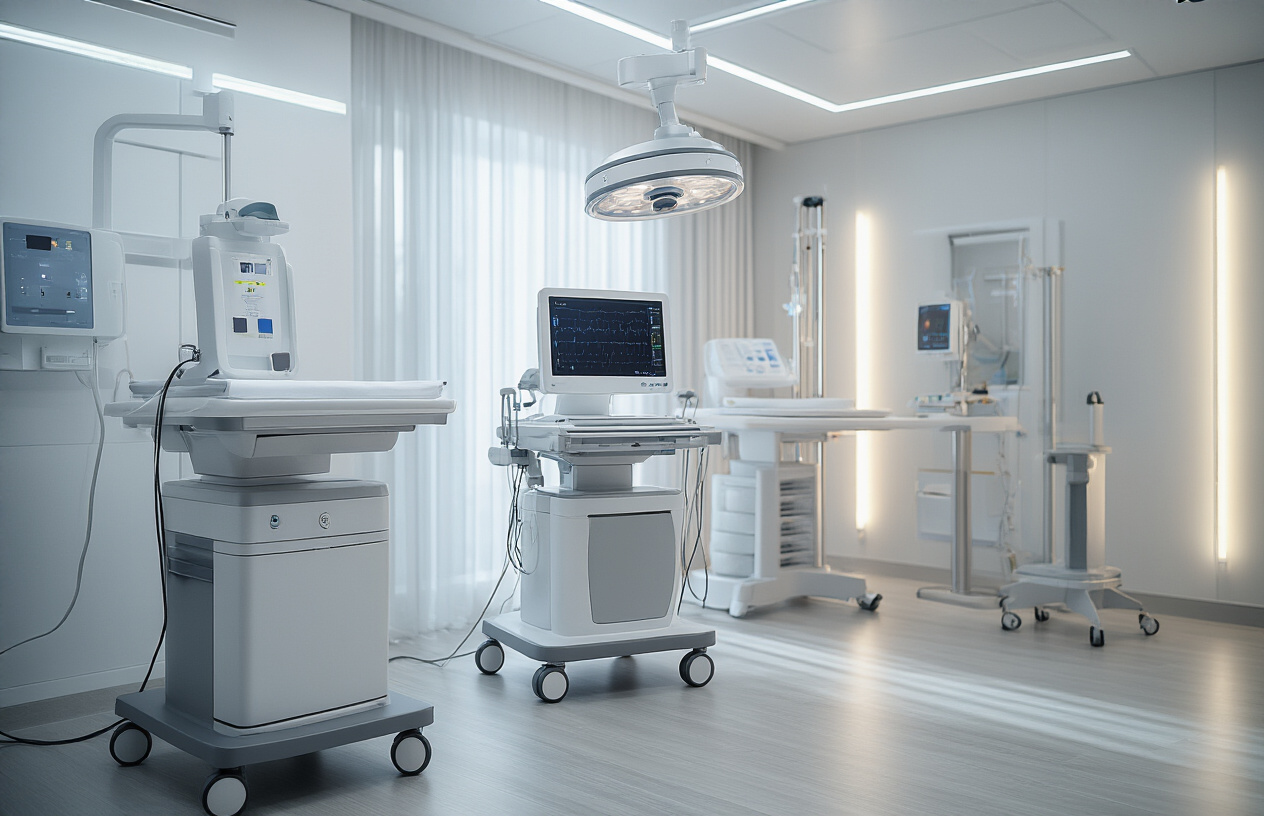
Laser therapy for accelerated tissue healing
Low-level laser therapy (LLLT) uses specific wavelengths of light to penetrate deep into damaged tissues, stimulating cellular regeneration and reducing inflammation. This innovative back pain therapy promotes faster healing by increasing ATP production in cells, improving blood circulation, and accelerating the body’s natural repair mechanisms. Studies show significant pain reduction and improved mobility within weeks of treatment, making it an excellent complement to traditional physiotherapy for back pain approaches.
Ultrasound therapy for deep tissue penetration
Therapeutic ultrasound delivers high-frequency sound waves that create gentle heat within muscle tissues and joints. This modern back pain treatment increases blood flow, reduces muscle spasms, and breaks down scar tissue that may contribute to chronic lower back pain treatment needs. The deep tissue penetration reaches areas that surface treatments cannot, making it particularly effective for addressing underlying structural issues causing persistent discomfort.
Electrical stimulation for pain management
Transcutaneous electrical nerve stimulation (TENS) and neuromuscular electrical stimulation offer drug-free lower back pain relief by interrupting pain signals to the brain. These devices deliver controlled electrical pulses that activate the body’s natural pain-blocking mechanisms while strengthening weakened muscles. Portable units allow patients to continue treatment at home, providing ongoing support for their back pain recovery plan and reducing dependence on pain medications.
Global Healthcare India: Pioneering Non-Surgical Pain Management
At Global Healthcare India, we are dedicated to helping you reclaim your life from chronic pain without the need for invasive surgical procedures. With a strong focus on non-surgical pain management, we offer advanced and effective treatments that have successfully helped over 10,000+ patients across India achieve a 95% success rate. Our approach prioritizes preserving your body’s natural healing abilities while delivering significant and lasting relief.
Creating Your Personalized Recovery Plan

Assessment methods to identify root causes
Your back pain recovery plan starts with pinpoint accuracy in diagnosis. Healthcare professionals use movement screens, posture analysis, and functional tests to uncover the real culprits behind your discomfort. Advanced imaging like MRI scans reveal structural issues, while biomechanical assessments identify muscle imbalances and movement patterns that contribute to pain. These comprehensive evaluations examine everything from hip mobility to core stability, painting a complete picture of your unique situation.
Setting realistic treatment timelines and goals
Effective lower back pain relief requires patience and realistic expectations. Acute pain typically improves within 2-6 weeks with proper treatment, while chronic conditions may need 3-6 months for significant progress. Your goals should be specific and measurable – perhaps walking 30 minutes without pain or returning to recreational activities. Breaking down larger objectives into weekly milestones keeps motivation high and tracks progress effectively. Remember that healing isn’t linear, and setbacks are normal parts of the recovery journey.
Combining multiple therapies for maximum effectiveness
The most successful chronic lower back pain treatment approaches blend different therapies strategically. Manual therapy releases tight tissues while physical therapy exercises for back pain rebuild strength and mobility. Adding modalities like dry needling or shockwave therapy can accelerate healing, especially when timed correctly within your treatment cycle. Your physiotherapist might combine hands-on techniques during sessions with home exercise programs, creating a comprehensive approach that addresses pain relief, movement restoration, and long-term prevention simultaneously.
Warning Signs That Require Immediate Attention
Recognizing red flag symptoms can prevent minor back issues from becoming serious problems. Seek immediate medical attention if you experience numbness or tingling that radiates down your legs, as this may indicate nerve compression. Sudden weakness in your legs, especially difficulty lifting your foot or toes, requires urgent evaluation. Back pain accompanied by fever, unexplained weight loss, or bladder/bowel control issues needs immediate assessment. Don’t ignore severe pain following trauma like a fall or accident, even if symptoms seem manageable initially.
Lower back pain doesn’t have to control your life. The combination of proven physiotherapy techniques and modern treatment options gives you powerful tools to find real relief. From understanding what’s causing your pain to working with professionals who can create a plan just for you, there are more solutions available today than ever before.
The key is taking action and finding the right approach for your specific situation. Start with the basics like proper movement patterns and strengthening exercises, then explore advanced treatments if needed. Remember that prevention is your best friend – small changes in how you move, sit, and care for your back today can save you from bigger problems down the road. Your back pain journey is unique, but you don’t have to navigate it alone.