


Experiencing persistent neck pain alongside throbbing headaches and dizzy spells? You’re not alone, and these symptoms might point to cervical spondylosis—a common condition affecting your neck’s vertebrae and discs. This guide is for anyone dealing with these troubling symptoms who wants to understand what might be causing them and what they can do about it.
Cervical spondylosis happens when the bones and cartilage in your neck start wearing down over time, often creating that uncomfortable trio of neck pain, headaches, and dizziness. While it sounds scary, millions of people manage this condition successfully once they know what they’re dealing with.
We’ll walk through how to recognize the warning signs that suggest cervical spondylosis, explore the risk factors that make some people more likely to develop it, and cover the treatment options that actually work to reduce your symptoms and get you back to feeling like yourself again.
Understanding Cervical Spondylosis and Its Warning Signs
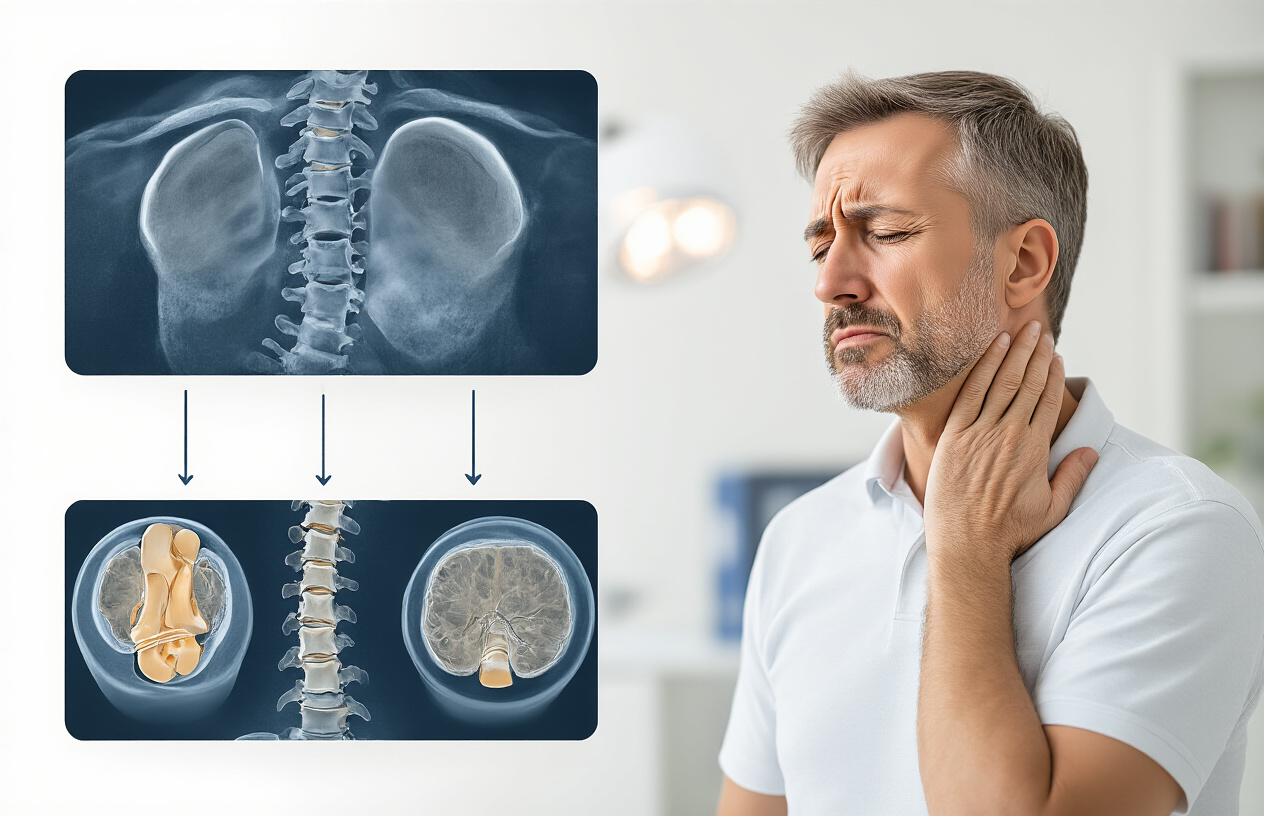
What cervical spondylosis means for your spine health
Your cervical spine houses seven vertebrae that support your head’s weight while allowing flexible movement. When cervical spondylosis develops, these vertebrae experience degenerative changes that create a domino effect throughout your neck structure. The condition involves deterioration of spinal discs, formation of bone spurs, and thickening of ligaments that can compress nerve roots and spinal cord. This compression disrupts normal nerve function, leading to pain signals traveling to your head and affecting your balance systems. Your spine’s natural shock absorption decreases, forcing surrounding muscles to work harder and creating tension patterns that radiate upward. The cervical region’s proximity to your brainstem means even minor structural changes can trigger significant symptoms like headaches and dizziness.
How age-related wear and tear affects your neck vertebrae
Starting around age 40, your spinal discs begin losing water content and elasticity, making them less effective at cushioning vertebrae during daily activities. This dehydration process causes discs to flatten and develop small tears, while nearby vertebrae respond by growing bone spurs as stabilization attempts. Your facet joints, which guide neck movement, develop arthritis that creates inflammation and stiffness. Ligaments naturally thicken with age, potentially narrowing the spinal canal where nerves pass through. These changes happen gradually over decades, often remaining painless until reaching a tipping point where symptoms suddenly emerge. Poor posture accelerates this process, particularly forward head positioning that places excessive stress on your lower cervical vertebrae.
Why early detection prevents long-term complications
Catching cervical spondylosis early allows for intervention before permanent nerve damage occurs or severe spinal cord compression develops. Initial symptoms often respond well to conservative treatments like physical therapy and posture correction, preventing progression to surgical intervention. Early detection helps identify modifiable risk factors such as workplace ergonomics or sleep positioning that contribute to symptom development. You can maintain better quality of life by addressing symptoms before they become chronic pain patterns that are harder to reverse. Prompt treatment prevents compensation patterns where other body parts overwork to accommodate neck dysfunction, creating secondary problems in shoulders and upper back. Regular monitoring allows healthcare providers to track progression and adjust treatment strategies before complications arise.
Common misconceptions about neck pain causes
Many people assume neck pain automatically means they need expensive imaging or immediate surgery, when most cases respond to conservative treatment approaches. The belief that cracking your neck causes arthritis lacks scientific support, though excessive force can strain ligaments unnecessarily. Stress gets blamed for neck pain, but while tension contributes to muscle tightness, underlying structural changes often drive persistent symptoms. People think sleeping wrong causes their chronic neck problems, but poor sleep position usually aggravates existing degenerative changes rather than creating them. The misconception that young people can’t develop cervical spondylosis overlooks how modern lifestyle factors like prolonged computer use accelerate spinal aging. Attributing all neck-related headaches to stress or eye strain delays proper diagnosis of cervical spine involvement.
Recognizing the Triple Threat: Neck Pain, Headaches, and Dizziness

How cervical spine degeneration triggers persistent neck pain
Cervical spondylosis creates a cascade of pain through multiple mechanisms. As vertebral discs lose height and flexibility, they place abnormal pressure on surrounding structures. Bone spurs develop along vertebral edges, potentially compressing nerve roots that exit the spinal column. The facet joints between vertebrae become inflamed and stiff, restricting normal movement patterns. This combination of disc degeneration, bone growth, and joint inflammation creates chronic neck pain that often worsens with movement and can radiate into the shoulders and upper back.
Why cervical issues cause tension headaches and migraines
The upper cervical spine shares nerve pathways with the head through the trigeminal-cervical complex. When cervical vertebrae C1, C2, and C3 develop problems, they can trigger referred pain patterns that manifest as headaches. Muscle tension from cervical dysfunction creates additional strain on the suboccipital muscles at the base of the skull. Poor neck alignment also affects blood flow to the head and can irritate the greater occipital nerve. These interconnected systems explain why cervical spondylosis frequently produces tension-type headaches and can even trigger migraine episodes in susceptible individuals.
Understanding the connection between neck problems and dizziness
Dizziness from cervical spondylosis occurs through several pathways affecting balance and spatial orientation. The upper cervical spine contains proprioceptors that send position information to the brain’s balance centers. When these receptors malfunction due to joint degeneration or inflammation, they can send faulty signals about head position. Cervical muscle tension can also compress blood vessels, reducing blood flow to the inner ear and brainstem areas responsible for balance. Additionally, nerve compression in the cervical region can disrupt the vestibular system’s normal function, creating sensations of unsteadiness, lightheadedness, or vertigo.
When these symptoms appear together as warning signals
The simultaneous occurrence of neck pain, headaches, and dizziness represents a significant red flag for cervical spondylosis progression. This triad typically develops when degeneration affects multiple cervical levels or involves critical upper cervical segments. The symptoms often worsen together during flare-ups and may follow predictable patterns throughout the day. Morning stiffness, pain that increases with prolonged sitting or computer work, and symptoms that improve with gentle movement suggest cervical involvement. When all three symptoms persist for weeks or months, they indicate that conservative self-care measures alone may be insufficient, and professional evaluation becomes essential for proper diagnosis and treatment planning.
Risk Factors That Increase Your Chances of Developing Cervical Spondylosis
- [ ]
Age-related changes that accelerate spine degeneration
Your spine starts showing wear and tear as early as your 30s. The discs between vertebrae lose water content, becoming thinner and less flexible. Bone spurs develop as your body attempts to stabilize weakened joints. Ligaments thicken and lose elasticity, restricting normal neck movement. These natural aging processes create the perfect storm for cervical spondylosis symptoms.
Lifestyle habits that worsen cervical spine health
Smoking reduces blood flow to spinal discs, accelerating degeneration. Poor sleep positions strain neck muscles overnight. Lack of regular exercise weakens supporting muscles around your cervical spine. Carrying heavy bags on one shoulder creates muscle imbalances. Excessive screen time without breaks compounds postural stress. Stress and anxiety cause chronic muscle tension in neck and shoulder regions.
Occupational hazards and poor posture impacts
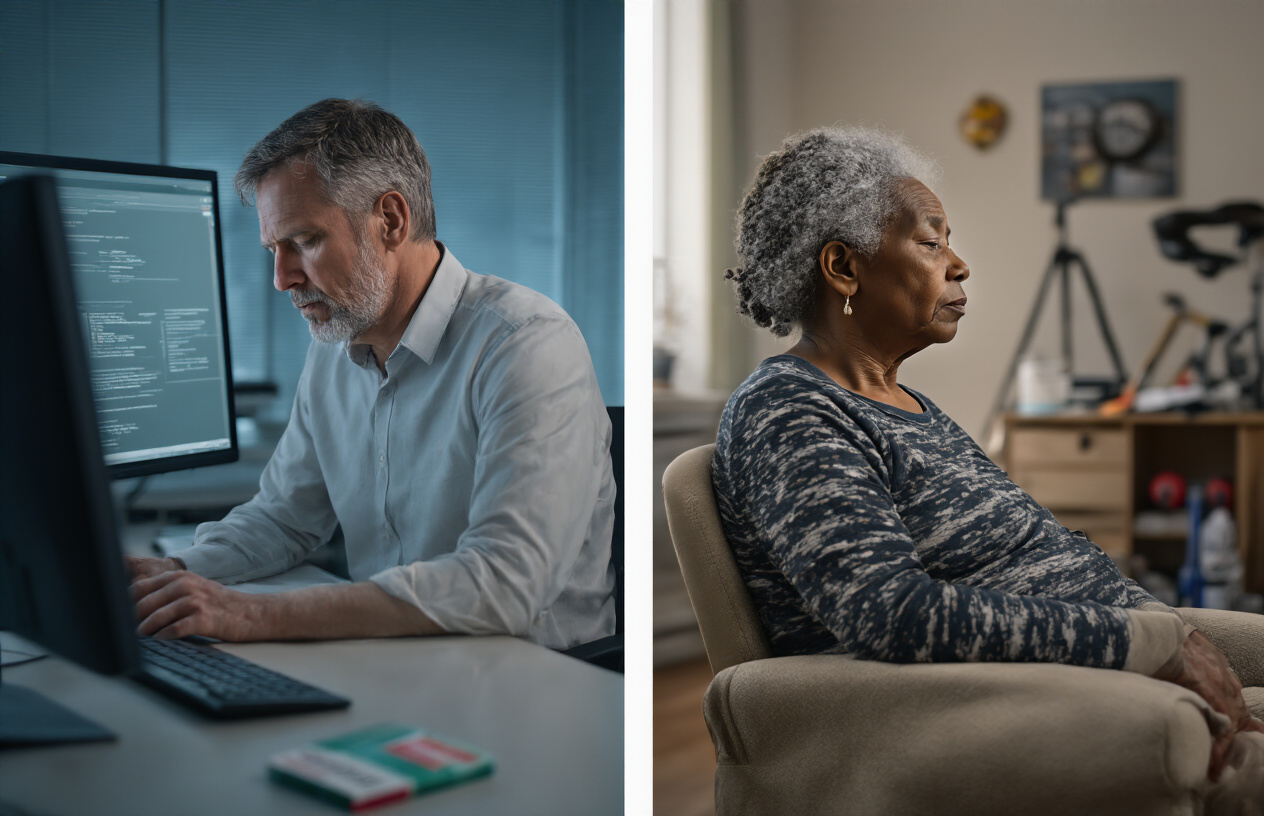
Desk workers face the highest risk due to prolonged forward head posture. Construction workers experience repetitive strain from overhead activities and heavy lifting. Drivers spend hours with necks in fixed positions. Healthcare professionals bend forward constantly during patient care. Teachers crane their necks while writing on boards. Artists and crafters maintain hunched positions for extended periods, creating chronic cervical compression.
Getting an Accurate Diagnosis for Your Symptoms

- [ ]
Essential medical tests that confirm cervical spondylosis
Your doctor will start with a detailed medical history and symptom assessment. Blood tests can rule out inflammatory conditions like rheumatoid arthritis that mimic cervical spondylosis. Nerve conduction studies measure electrical activity in your muscles and nerves, helping identify pinched nerves. Electromyography (EMG) tests detect muscle weakness and nerve damage. These diagnostic tools work together to paint a complete picture of your cervical spine health and differentiate cervical spondylosis from other conditions.
What to expect during your doctor’s physical examination
The physical exam focuses on your neck mobility, reflexes, and neurological function. Your doctor will test your range of motion by asking you to move your head in different directions. They’ll check muscle strength in your arms and hands, examine reflexes using a small hammer, and test sensation in your fingers and hands. The Spurling test involves gently compressing your neck while tilting your head to reproduce symptoms. Your doctor will also assess your balance and coordination to evaluate how cervical spondylosis affects your overall function.
How imaging studies reveal the extent of spine damage
X-rays show bone spurs, narrowed disc spaces, and overall spine alignment changes characteristic of cervical spondylosis. MRI scans provide detailed images of soft tissues including discs, ligaments, and nerve roots, revealing disc degeneration and nerve compression. CT scans offer excellent bone detail and can identify fractures or severe arthritis. CT myelography involves contrast dye injection to highlight nerve root compression. These imaging studies help determine severity, plan treatment, and monitor disease progression over time.
Questions to ask your healthcare provider for clarity
Ask about the specific cause of your symptoms and which cervical spine levels are affected. Inquire about treatment options ranging from conservative care to surgical interventions. Question the expected timeline for improvement and long-term prognosis. Find out about activity restrictions and safe exercises for your condition. Discuss medication side effects and alternative pain management strategies. Ask when you should seek immediate medical attention and what warning signs indicate worsening. Understanding your specific situation empowers you to make informed decisions about your cervical spondylosis treatment plan.
Effective Treatment Options That Provide Real Relief

- [ ]
Non-surgical approaches that reduce pain and inflammation
Most people with cervical spondylosis find relief through conservative treatments that tackle pain and swelling head-on. Anti-inflammatory medications like ibuprofen or naproxen can significantly reduce neck inflammation and provide immediate comfort. Your doctor might recommend prescription muscle relaxants when neck spasms become severe. Heat therapy using warm compresses or heating pads helps loosen tight muscles, while ice packs work better during acute flare-ups to numb sharp pain. Corticosteroid injections directly into the affected area offer powerful anti-inflammatory effects that can last several months. Topical creams containing menthol or capsaicin provide localized relief without systemic side effects. Many patients also benefit from wearing a soft cervical collar for short periods to rest the neck muscles and prevent further irritation.
Non-Surgical Treatment by Global Healthcare India
At Global Healthcare India, we actually treat Cervical Spondylosis using advanced methods that don’t need surgery. These treatments definitely help reduce pain, swelling, and restore normal neck movement. Cervical spondylosis surely occurs due to disc problems, nerve pressure, bad posture, or aging of the spine. Moreover, this condition causes neck pain, stiffness, headaches, dizziness, and pain that spreads to the arms. Our team surely avoids surgery and uses precise DSCB cervical injections, Ozone Therapy, nerve blocks, muscle release therapy, and posture correction physiotherapy to treat the root cause. Moreover, these regenerative treatments work together to provide complete healing. As per medical studies, these safe methods give quick pain relief and better neck movement without surgery risks. Regarding spinal health, these treatments help for long time without hospital stay.
We are seeing that our special spine care program is only led by Dr. As per his extensive experience, Sunil Saini is a pain management expert regarding complex cervical problems who treats patients without surgery. Under his leadership, Global Healthcare India has further helped more than 15,000 patients recover safely without surgery, making the centre itself one of India’s most trusted places for cervical spondylosis treatment. We are seeing real patient recovery stories and case studies on our YouTube channel Global Healthcare India, where we share only genuine success cases regularly.
Physical therapy exercises that restore neck mobility
Targeted physical therapy forms the cornerstone of cervical spondylosis recovery, helping restore normal neck function and prevent future problems. A skilled physical therapist will design a personalized exercise program that gradually improves your range of motion without causing additional strain. Gentle neck rotations, side bends, and chin tucks strengthen the deep neck muscles that support your cervical spine. Postural training teaches you how to maintain proper head and shoulder alignment during daily activities. Stretching exercises target tight muscles in the upper trapezius, levator scapulae, and suboccipital regions. Manual therapy techniques like soft tissue mobilization and joint manipulation can break up adhesions and improve spinal movement. Your therapist may also use modalities like ultrasound, electrical stimulation, or traction to enhance healing and pain relief.
When surgical intervention becomes necessary
Surgery becomes an option when conservative treatments fail to provide adequate relief after several months of consistent care. Cervical decompression procedures remove bone spurs or herniated disc material that’s compressing nerve roots or the spinal cord. Anterior cervical discectomy and fusion (ACDF) involves removing damaged discs and fusing vertebrae together using bone grafts. Cervical artificial disc replacement preserves motion while eliminating pain from degenerative discs. Laminectomy creates more space for the spinal cord by removing parts of the vertebral bone. Your surgeon will consider factors like your age, activity level, and specific symptoms when recommending the best surgical approach. Post-operative physical therapy plays a crucial role in achieving optimal outcomes and preventing future complications.
Alternative treatments that complement traditional care
Complementary therapies can enhance your recovery when combined with conventional medical treatment for cervical spondylosis. Acupuncture has shown promising results in reducing neck pain and improving mobility by targeting specific pressure points. Chiropractic care focuses on spinal alignment and joint manipulation to restore normal neck function. Massage therapy helps relax tense muscles and improves blood flow to healing tissues. Yoga and tai chi promote gentle stretching, strengthening, and stress reduction. Some people find relief through transcutaneous electrical nerve stimulation (TENS) units that block pain signals. Nutritional supplements like glucosamine, chondroitin, and omega-3 fatty acids may support joint health and reduce inflammation. Always discuss these options with your healthcare provider to ensure they’re safe and appropriate for your specific condition.
Prevention Strategies That Protect Your Cervical Spine

- [ ]
Daily habits that maintain healthy neck posture
Keep your head aligned over your shoulders instead of craning forward. Take breaks every 30 minutes to stretch and reset your position. Sleep with proper pillow support that keeps your neck neutral. Hold your phone at eye level to avoid looking down constantly.
Exercises that strengthen supporting neck muscles
Gentle neck rotations and shoulder blade squeezes help build stability around your cervical spine. Try chin tucks by pulling your head back while sitting straight. Resistance exercises using your hand against your head in different directions strengthen deep neck muscles that support proper alignment.
Ergonomic adjustments for work and sleep environments
Position your computer monitor at eye level so you don’t tilt your head up or down. Your keyboard should allow your arms to rest comfortably at your sides. Choose a pillow that fills the space between your neck and mattress without pushing your head too far forward or letting it drop too low.

- [ ]
If you’ve been dealing with the frustrating combination of neck pain, headaches, and dizziness, cervical spondylosis might be the missing piece of your health puzzle. This condition affects millions of people and often goes undiagnosed because its symptoms can seem unrelated. Understanding the warning signs, risk factors, and getting proper medical evaluation can make all the difference in finding relief and preventing your condition from getting worse.
The good news is that cervical spondylosis is manageable with the right approach. From physical therapy and medication to lifestyle changes and preventive strategies, you have plenty of options to reduce your symptoms and protect your spine health. Don’t let these symptoms control your daily life – talk to your doctor about your concerns and take proactive steps to strengthen your neck and improve your posture. Your future self will thank you for addressing this issue before it becomes more serious.