
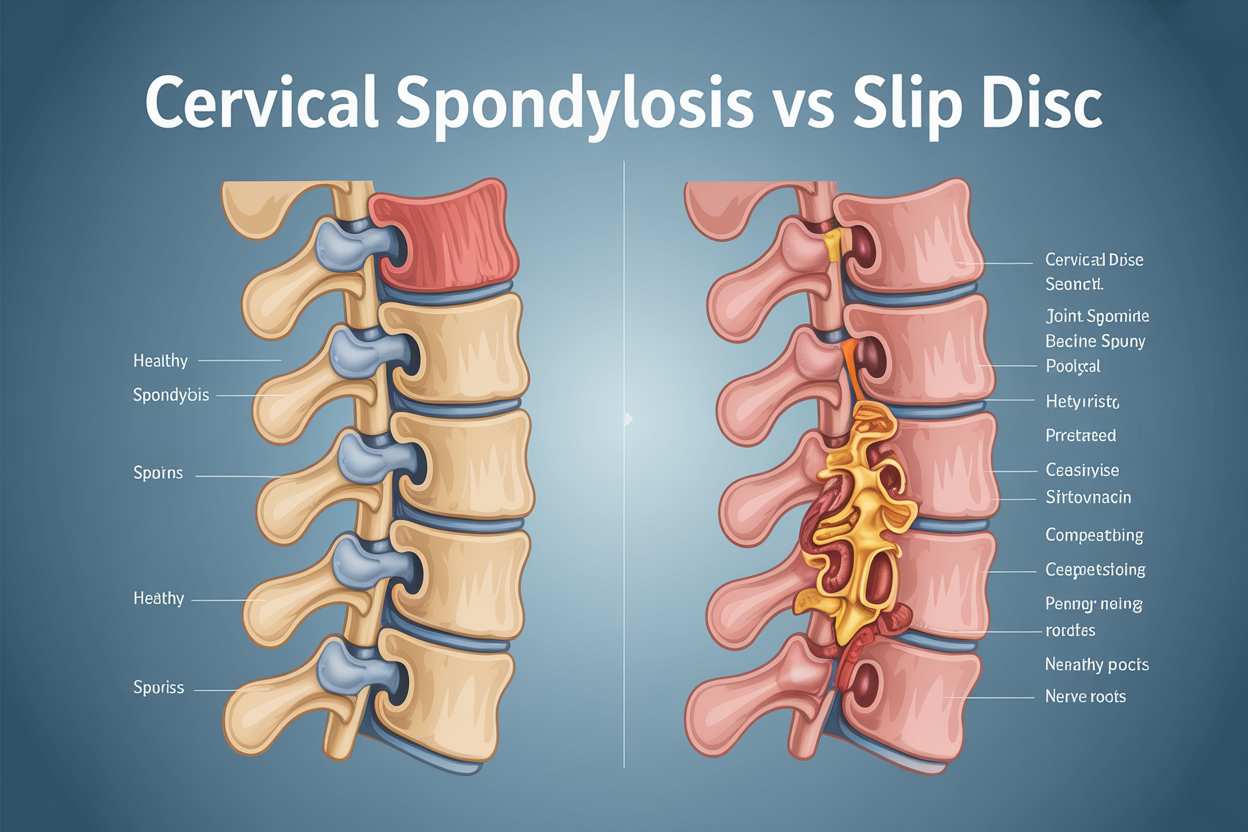
Neck pain can seriously mess with your daily routine, but figuring out whether you’re dealing with cervical spondylosis or a slip disc in the neck makes all the difference for getting the right treatment. This guide is for anyone experiencing neck discomfort, stiffness, or arm pain who wants to understand what might be causing their symptoms and how doctors tell these two common conditions apart.
Both cervical spondylosis and slip disc can cause similar neck and arm pain, but they develop differently and need different approaches to heal properly. We’ll break down how each condition develops and what causes them, walk through the specific symptoms that help doctors identify which one you might have, and explain the diagnostic tests that pinpoint the exact problem. You’ll also learn about the targeted treatment options available for each condition, so you can have informed conversations with your healthcare provider about the best path forward.
Understanding Cervical Spondylosis: Causes and Development
Age-related wear and tear of cervical spine discs and joints
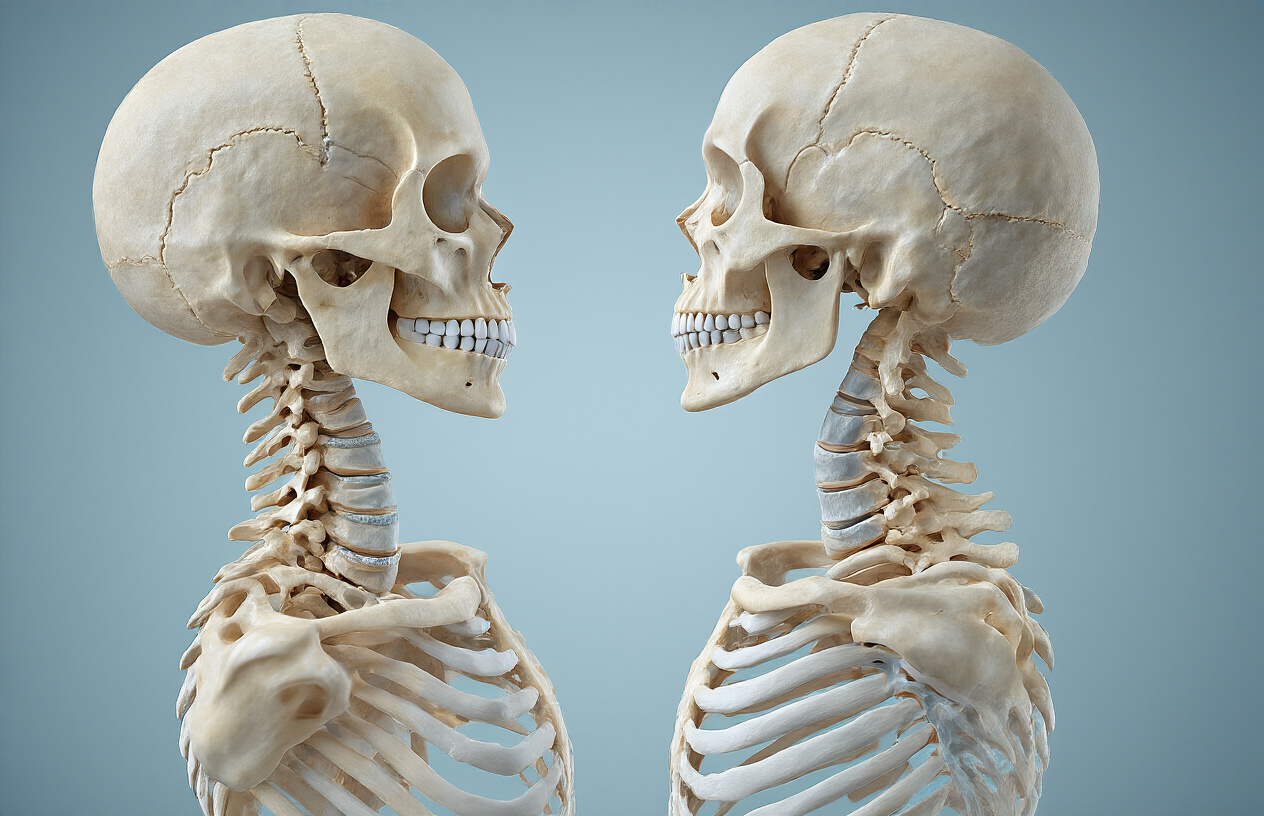
Cervical spondylosis develops when the discs between your neck vertebrae start losing water content and elasticity over time. These discs naturally shrink and become less flexible as you age, typically beginning in your 30s and 40s. The facet joints that connect your vertebrae also experience gradual cartilage breakdown, creating friction and stiffness. This process happens to everyone as part of normal aging, but the severity varies greatly between individuals.
Bone spur formation and cartilage deterioration
Your body responds to disc degeneration by forming bone spurs called osteophytes along the vertebral edges. These bony growths attempt to stabilize the unstable segments but often create new problems by narrowing the spaces where nerves exit the spine. Cartilage that cushions the joints becomes rough and worn, similar to brake pads wearing thin in a car. The protective synovial fluid in joints may decrease, reducing lubrication and increasing inflammation around affected areas.
Risk factors that accelerate cervical spine degeneration
Several factors speed up the natural aging process in your neck. Previous neck injuries, especially whiplash from car accidents, create weak spots that deteriorate faster. Jobs requiring repetitive neck movements or prolonged forward head posture, like computer work or looking down frequently, place extra stress on cervical structures. Smoking reduces blood flow to spinal discs, limiting their ability to heal and maintain themselves. Being overweight adds mechanical stress, while certain autoimmune conditions can trigger inflammatory responses that damage joint tissues.
How lifestyle and genetics influence disease progression
Your genetic makeup plays a significant role in determining how quickly your cervical spine ages. Some people inherit stronger disc composition or better healing mechanisms, while others may be predisposed to early degeneration. Poor posture from slouching or sleeping with inadequate neck support accelerates wear patterns. Regular exercise that strengthens neck and shoulder muscles can slow progression by reducing mechanical stress on spinal structures. Stress management also matters since chronic tension often leads to muscle tightness that compounds spinal problems over time.
Slip Disc in the Neck: What Happens When Discs Herniate

Anatomy of cervical discs and their protective function
Cervical discs sit between the seven vertebrae in your neck, acting like shock absorbers that cushion bone-on-bone contact during movement. Each disc has a tough outer ring called the annulus fibrosus surrounding a gel-like center known as the nucleus pulposus. These discs maintain proper spacing between vertebrae, allowing smooth neck rotation and flexion while protecting nerve roots that branch out from the spinal cord. The discs also distribute weight evenly across the cervical spine and help maintain the natural curve of your neck.
How disc material ruptures and presses on nerves
When the outer disc wall weakens or tears, the inner gel-like material can push through these cracks and bulge outward. This herniated material often presses directly against nearby nerve roots or the spinal cord itself, creating a domino effect of pain and dysfunction. The pressure disrupts normal nerve signals, causing sharp shooting pains down the arm, numbness in specific fingers, or weakness in grip strength. Inflammation around the affected area amplifies these symptoms, as the body’s immune response adds swelling that further compresses already irritated nerve tissue.
Common triggers that cause cervical disc herniation
Age plays the biggest role, as discs naturally lose water content and flexibility over time, making them more prone to tearing. Sudden movements like whiplash from car accidents or sports injuries can instantly rupture a disc that’s already weakened. Poor posture from desk work creates constant forward head positioning that stresses the discs daily. Heavy lifting with improper technique, especially when twisting the neck simultaneously, creates dangerous pressure spikes. Even sleeping in awkward positions repeatedly can gradually weaken disc walls until they finally give way.
Recognizing Distinct Symptoms of Each Condition
- [ ]
Cervical Spondylosis Pain Patterns and Stiffness Characteristics
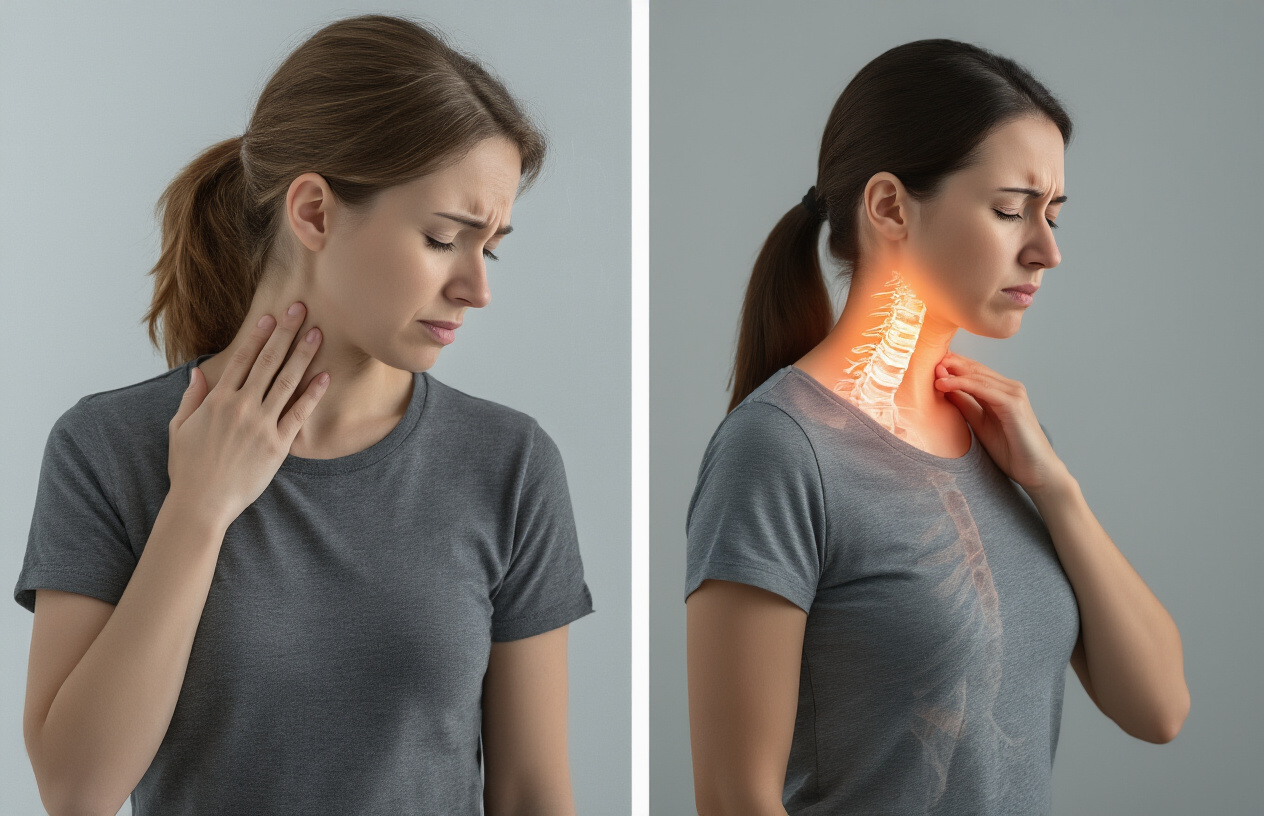
Cervical spondylosis creates a distinctive aching sensation deep in the neck that worsens with prolonged sitting or turning your head. The pain feels like a constant dull throb, often accompanied by morning stiffness that gradually improves with gentle movement. You’ll notice your neck feels particularly rigid when trying to look over your shoulder while driving or checking blind spots.
| Symptom | Description | Timing |
|---|---|---|
| Neck ache | Deep, dull pain | Persistent, worse with inactivity |
| Stiffness | Reduced range of motion | Most severe in morning |
| Muscle tension | Tight, contracted feeling | Increases throughout day |
The stiffness pattern differs significantly from acute injuries – it develops slowly over months or years. Your neck might feel like it’s “rusted” in place, especially after sleeping in an awkward position or spending hours hunched over a computer.
Slip Disc Symptoms Including Radiating Arm Pain and Numbness
A herniated cervical disc sends sharp, electric-like pain shooting down your arm, often following specific nerve pathways. This radiating pain can reach your fingers, creating distinct patterns depending on which disc level is affected. The pain feels different from spondylosis – it’s more intense, sudden, and follows a clear path from neck to hand.
Common radiation patterns:
- C5-C6 disc: Pain travels to thumb and index finger
- C6-C7 disc: Affects middle finger and forearm
- C7-T1 disc: Impacts pinky and ring finger areas
Numbness and tingling often accompany the pain, creating a “pins and needles” sensation that can be quite alarming. You might experience weakness in specific muscle groups, making it difficult to grip objects or perform fine motor tasks like buttoning shirts.
Movement Limitations Unique to Each Condition
Spondylosis typically restricts all neck movements equally, creating a global stiffness that feels like wearing a tight collar. You’ll struggle with rotation, flexion, and extension, but the limitation feels consistent across all directions. The restriction builds gradually and feels mechanical, like your joints need oil.
Slip disc limitations are more selective and position-dependent. Certain movements trigger intense pain while others remain comfortable. Looking up might be excruciating while looking down feels fine, or vice versa. The limitation often follows specific patterns:
Movement restrictions by condition:
| Movement | Cervical Spondylosis | Slip Disc |
|---|---|---|
| Rotation | Gradually decreased | Sharp pain in one direction |
| Extension | Stiff, aching | May trigger arm symptoms |
| Flexion | Generally limited | Variable response |
When Symptoms Overlap and Create Diagnostic Confusion
Both conditions can coexist, especially in people over 50, making diagnosis tricky. You might experience the deep aching of spondylosis combined with occasional sharp, radiating pain from disc herniation. This overlap often confuses both patients and healthcare providers, leading to delayed or incorrect treatment approaches.
The confusion intensifies when spondylosis causes secondary inflammation that mimics disc symptoms, or when chronic disc problems lead to compensatory stiffness resembling spondylosis. Age-related changes in the spine mean many people have both arthritic changes and disc degeneration visible on imaging studies.
Red flags requiring immediate attention:
- Severe arm weakness
- Loss of bladder control
- Difficulty walking or balance problems
- Progressive numbness in both arms
Professional evaluation becomes essential when symptoms don’t follow clear patterns or when conservative treatments fail to provide relief within a reasonable timeframe.
Diagnostic Methods That Differentiate Between Conditions
- [ ]
Physical examination techniques for accurate assessment
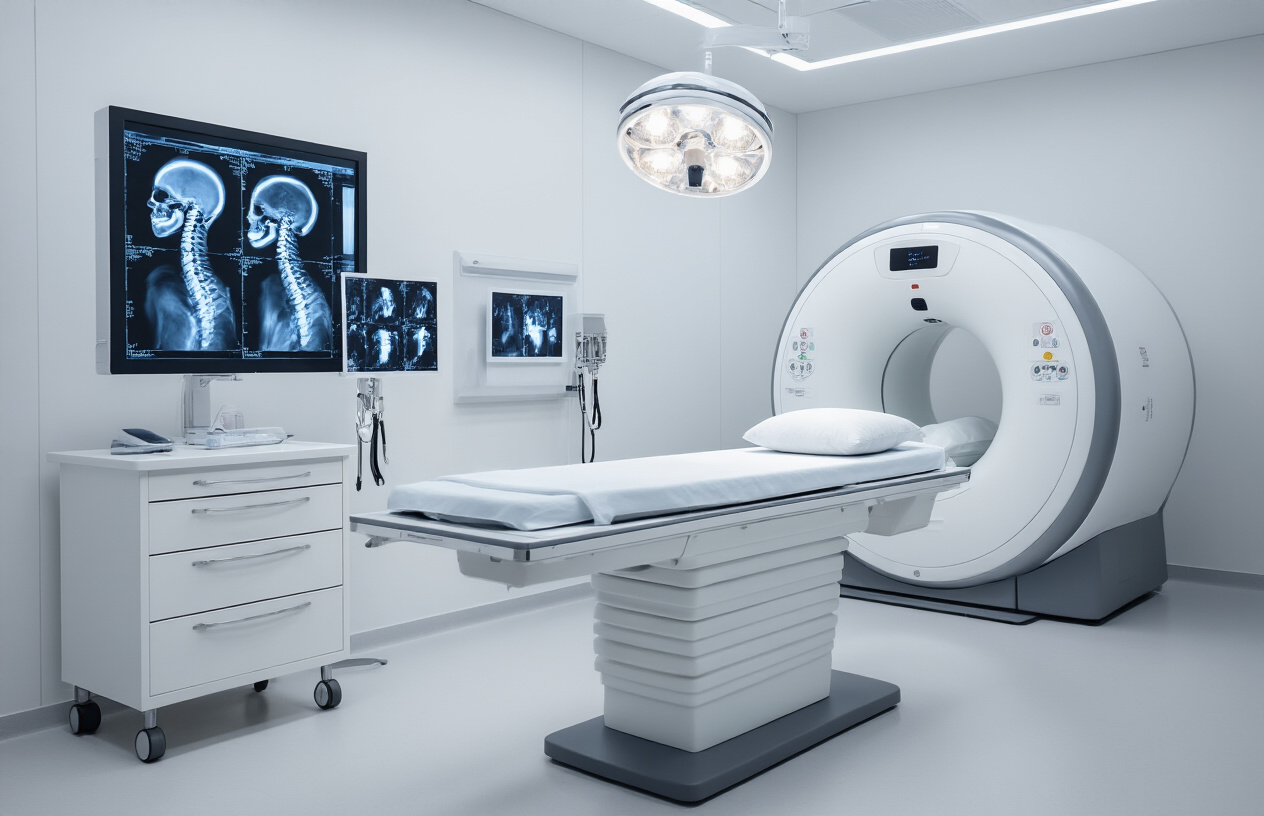
Doctors start with hands-on tests to pinpoint neck problems. They check your range of motion by asking you to move your head in different directions. The Spurling’s test involves tilting and rotating your head while applying gentle pressure – if this triggers arm pain, it suggests nerve compression. For cervical spondylosis, neck movement feels stiff and grinding. With slip discs, specific positions reproduce sharp, shooting pain down your arm. Doctors also test muscle strength, reflexes, and sensation in your arms and hands to map which nerves are affected.
X-ray findings that reveal cervical spondylosis changes
X-rays clearly show the bone changes that mark cervical spondylosis. You’ll see bone spurs (osteophytes) growing from vertebrae edges like tiny thorns. The spaces between vertebrae become narrower as discs shrink over time. Joint surfaces appear rough and irregular instead of smooth. These bony growths create a distinctive “lipping” appearance on X-ray images. However, X-rays can’t show soft tissues like discs, muscles, or nerves – they only capture the skeletal story of wear and tear.
MRI scans showing slip disc location and severity
MRI scans provide the complete picture of slip disc problems. These detailed images reveal exactly where disc material has pushed out and how much it’s pressing on nerves or the spinal cord. You can see dark tears in the disc’s outer ring and bright disc material bulging into the spinal canal. MRI shows whether the herniation is central, affecting the spinal cord, or lateral, pinching nerve roots. The scan also reveals inflammation around compressed nerves and any fluid buildup in surrounding tissues.
Additional tests for confirming nerve involvement
When doctors need more details about nerve damage, they order specialized tests. Electromyography (EMG) measures electrical activity in muscles to detect nerve problems. Nerve conduction studies check how fast signals travel through your nerves – slower speeds indicate compression or damage. CT myelograms combine CT scans with contrast dye injected into the spinal canal, creating detailed images of nerve compression. Blood tests rule out inflammatory conditions like rheumatoid arthritis that can mimic neck disc problems.
Treatment Approaches Tailored to Each Condition
- [ ]
Conservative management options for cervical spondylosis
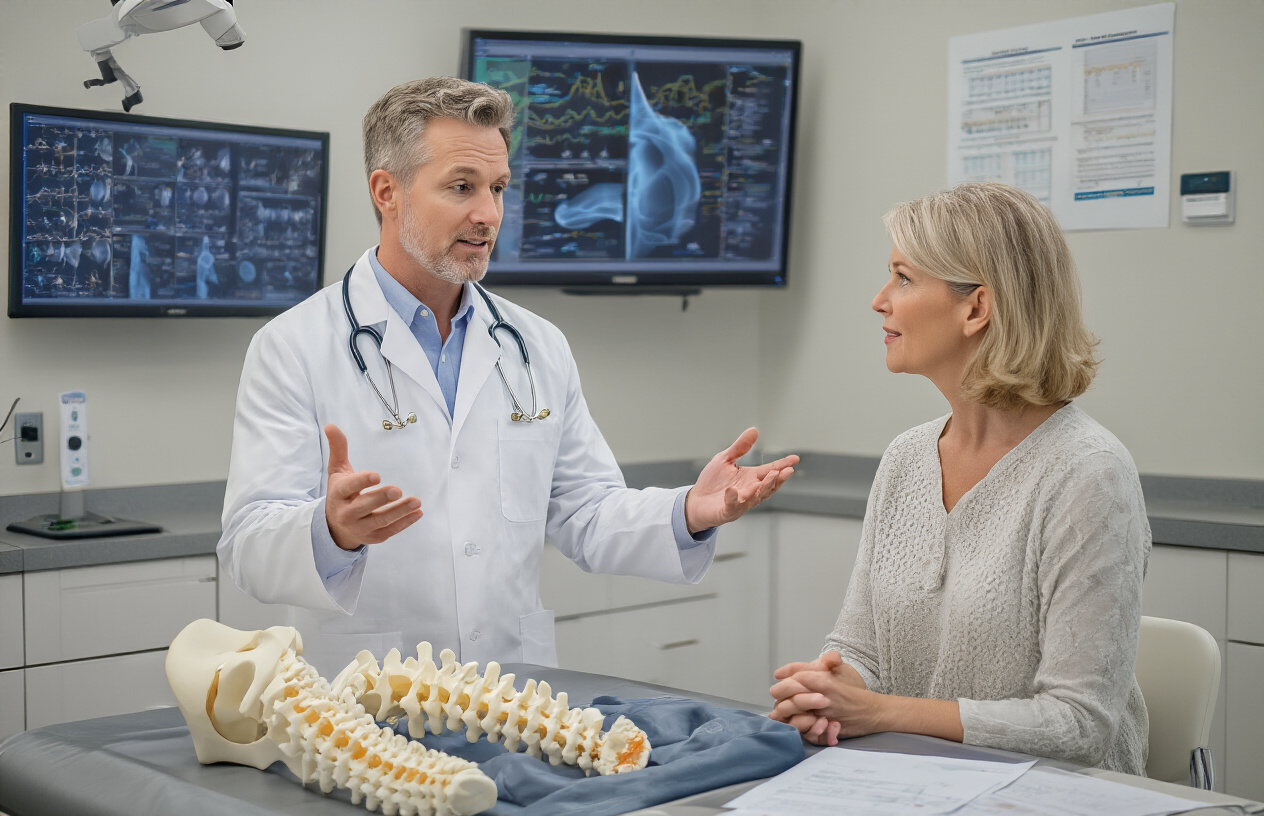
Cervical spondylosis responds well to non-invasive treatments that focus on reducing inflammation and improving neck mobility. Anti-inflammatory medications like NSAIDs help control pain and swelling, while muscle relaxants ease tension in surrounding tissues. Heat therapy increases blood flow to affected areas, promoting healing and reducing stiffness. Gentle neck exercises and stretches maintain range of motion without aggravating the condition. Ergonomic adjustments at workstations prevent further strain. Cervical collars provide temporary support during acute flare-ups, though prolonged use can weaken neck muscles. Activity modification helps patients avoid positions or movements that worsen symptoms.
Targeted therapies for slip disc recovery
Herniated cervical discs require specific interventions to address nerve compression and promote disc healing. Epidural steroid injections deliver powerful anti-inflammatory medication directly to the affected nerve roots, providing significant pain relief. Traction therapy gently stretches the spine, creating space for the herniated disc material to retract. Cold therapy during acute phases reduces inflammation and numbs pain, while gradual introduction of heat therapy promotes circulation once initial swelling subsides. Nerve mobilization techniques help restore normal nerve function and reduce sensitivity. Postural correction becomes critical to prevent additional pressure on the compromised disc.
Physical therapy protocols specific to each diagnosis
| Condition | Primary Focus | Exercise Types | Duration |
|---|---|---|---|
| Cervical Spondylosis | Joint mobility, muscle strengthening | Isometric exercises, gentle rotation | 6-8 weeks |
| Slip Disc | Nerve decompression, core stability | McKenzie exercises, neural glides | 8-12 weeks |
Cervical spondylosis therapy emphasizes maintaining existing joint function through range-of-motion exercises and strengthening the deep neck flexors. Therapists guide patients through progressive resistance training using resistance bands or light weights. Slip disc rehabilitation focuses on centralizing symptoms and reducing nerve irritation through specific directional exercises. Both conditions benefit from postural training and ergonomic education to prevent symptom recurrence.
Surgical considerations when conservative treatment fails
Surgical intervention becomes necessary when conservative treatments fail to provide adequate relief after 6-12 weeks, or when patients experience progressive neurological deficits. Anterior cervical discectomy and fusion (ACDF) removes damaged disc material and fuses adjacent vertebrae, commonly used for both conditions. Cervical disc replacement preserves motion at the affected level, particularly beneficial for younger patients with isolated disc herniation. Posterior cervical foraminotomy enlarges nerve pathways without fusion, ideal for specific cases of nerve compression. Surgeons evaluate factors like age, activity level, and extent of degeneration when recommending procedures.
Long-term management strategies for preventing recurrence
Successful long-term outcomes depend on lifestyle modifications and consistent self-care practices. Regular exercise programs strengthen supporting muscles and maintain spinal flexibility, with swimming and walking being particularly beneficial. Proper sleep positioning using supportive pillows maintains neutral neck alignment during rest. Workplace ergonomics training prevents repetitive strain injuries that contribute to disc degeneration. Weight management reduces overall spinal load and decreases inflammation throughout the body. Stress management techniques like meditation help control muscle tension that can worsen neck symptoms. Regular follow-up appointments with healthcare providers ensure early detection of symptom changes and allow for treatment adjustments before conditions worsen significantly.

- [ ]
Both cervical spondylosis and slip disc in the neck can cause significant discomfort, but understanding their differences helps you get the right treatment faster. While cervical spondylosis develops gradually through wear and tear, slip discs happen when the disc material pushes out and presses on nerves. The symptoms might overlap sometimes, but slip discs typically cause sharper, shooting pain down your arm, while spondylosis brings more stiffness and dull aches.
Getting an accurate diagnosis makes all the difference in your recovery journey. Don’t ignore neck pain that persists for more than a few days or gets worse over time. Talk to your doctor about your symptoms – they can run the right tests and imaging studies to pinpoint exactly what’s going on. With the right diagnosis, you’ll get a treatment plan that actually targets your specific condition, whether that’s physical therapy for spondylosis or more aggressive intervention for a herniated disc.