


If you’re dealing with persistent shoulder stiffness and pain that’s making simple tasks like reaching for a cup or putting on a shirt nearly impossible, you might be experiencing frozen shoulder. This condition is especially common among people with diabetes and those recovering from shoulder injuries, affecting millions who struggle with reduced mobility and chronic discomfort.
This guide is for anyone experiencing unexplained shoulder stiffness, particularly diabetics and injury survivors who want to understand what’s happening to their body and find real solutions. We’ll explore the warning signs that separate frozen shoulder from other shoulder problems and dive into why diabetes creates such a strong connection to this painful condition. You’ll also discover proven treatment options that can help restore your range of motion and get you back to daily activities without constant pain.
Understanding Frozen Shoulder and Its Connection to Diabetes and Injuries

What frozen shoulder is and how it differs from regular shoulder pain
Frozen shoulder, medically known as adhesive capsulitis, creates a thick, sticky capsule around your shoulder joint that severely restricts movement. Unlike typical shoulder pain from muscle strain or inflammation, frozen shoulder literally freezes your joint in place – you can’t lift your arm above your head or reach behind your back. The condition develops gradually through three distinct phases: freezing (increasing pain and stiffness), frozen (less pain but maximum stiffness), and thawing (gradual return of movement). Regular shoulder pain usually allows some range of motion and responds to basic treatments like rest or anti-inflammatories, while frozen shoulder creates a mechanical blockage that makes normal movement impossible.
Why diabetes increases your risk of developing frozen shoulder
Diabetes creates the perfect storm for frozen shoulder development through multiple pathways. High blood sugar levels damage collagen fibers in your shoulder capsule, making them thick and inflexible. People with diabetes are five times more likely to develop frozen shoulder than those without diabetes. Poor glucose control accelerates this process by triggering chronic inflammation and abnormal protein deposits in joint tissues. The longer you’ve had diabetes and the worse your blood sugar control, the higher your risk becomes. Type 1 and Type 2 diabetes both carry this increased risk, with studies showing up to 20% of diabetics will experience frozen shoulder at some point.
Common injuries that can trigger frozen shoulder development
Several types of injuries can set off the inflammatory cascade that leads to frozen shoulder. Rotator cuff tears, shoulder fractures, and dislocations are the most common triggers because they require immobilization during healing. Even minor injuries like falls onto an outstretched arm can start the process if the shoulder stays immobile too long. Post-surgical complications following any shoulder procedure also increase risk significantly. Heart attacks and strokes can trigger frozen shoulder on the affected side due to prolonged immobility and changes in circulation. The key factor isn’t always the severity of the initial injury – it’s how long your shoulder remains still during recovery.
How long frozen shoulder typically lasts without treatment
Without intervention, frozen shoulder follows a predictable but lengthy timeline that can stretch 12 to 36 months. The freezing stage lasts 2-9 months with increasing pain and stiffness. The frozen stage persists 4-12 months with severe movement restriction but less pain. The thawing phase takes 5-24 months as movement gradually returns. About 90% of people eventually regain most shoulder function, but 10-15% experience permanent restrictions. Recovery time varies dramatically based on age, diabetes status, and overall health – younger, healthier individuals typically recover faster. Early treatment can significantly shorten this timeline and prevent permanent stiffness, making prompt diagnosis and intervention crucial for optimal outcomes.
Recognizing the Warning Signs and Symptoms

- [ ]
Early stage symptoms that signal frozen shoulder development
Shoulder stiffness that doesn’t go away after a few days should raise red flags, especially for people with diabetes or recent injuries. You might notice trouble reaching overhead or behind your back during routine activities like brushing hair or putting on a shirt. Morning stiffness lasting more than 30 minutes often signals the beginning stages, along with a deep, aching pain that gets worse at night.
Progressive loss of range of motion patterns
Frozen shoulder follows a predictable pattern of movement loss. Forward flexion disappears first – you can’t lift your arm straight up anymore. External rotation goes next, making it impossible to reach behind your head or scratch your back. Internal rotation is typically the last to go, affecting your ability to reach behind your lower back or tuck in a shirt.
Pain levels and when they peak during the condition
The pain journey happens in three distinct phases. The “freezing” stage brings intense, constant pain that peaks at night and can last 2-9 months. During the “frozen” stage, pain actually decreases but stiffness reaches its worst point, lasting 4-12 months. The “thawing” phase sees gradual pain relief and slow return of movement over 6-24 months.
Differences between frozen shoulder and other shoulder conditions
| Condition | Pain Pattern | Movement Loss | Night Pain |
|---|---|---|---|
| Frozen Shoulder | Deep, aching, progressive | Global restriction in all directions | Severe, disrupts sleep |
| Rotator Cuff Tear | Sharp with movement | Specific motions affected | Moderate when lying on affected side |
| Arthritis | Grinding, stiff | Gradual, activity-related | Mild to moderate |
| Bursitis | Pinching sensation | Overhead activities mainly | Variable |
Frozen shoulder creates a “capsular pattern” where external rotation is most limited, followed by forward flexion, then internal rotation. Other shoulder problems don’t follow this specific sequence and usually allow some pain-free movement in certain directions.
The Science Behind Diabetes-Related Frozen Shoulder
- [ ]
How high blood sugar damages shoulder joint tissues
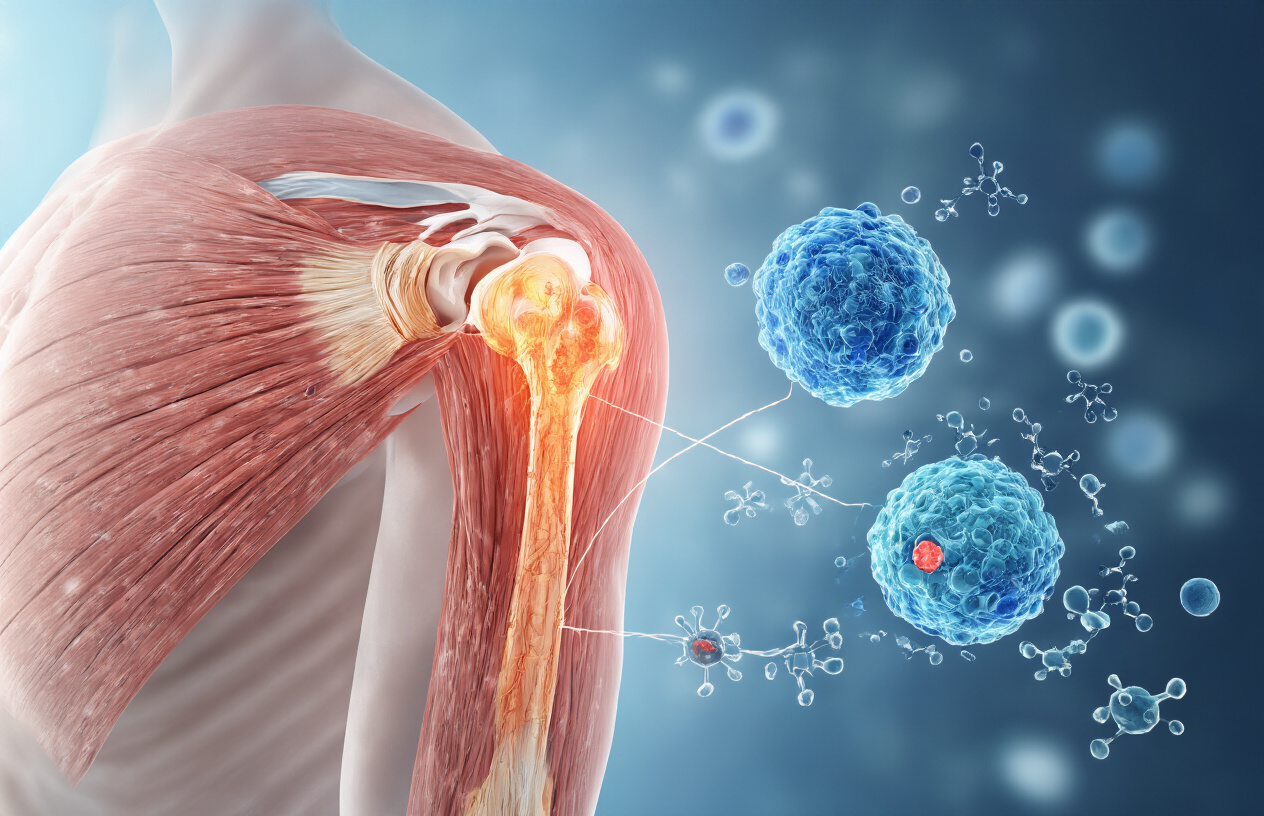
Chronic high blood sugar levels create a perfect storm for shoulder joint deterioration. When glucose molecules stick to proteins in joint capsules and surrounding tissues, they form harmful compounds called advanced glycation end products (AGEs). These sticky substances make shoulder tissues thick, inflexible, and prone to scarring. The shoulder capsule becomes like leather left out in the sun – rigid and contracted. Blood vessels supplying the joint also suffer damage from elevated glucose, reducing oxygen and nutrient delivery to already compromised tissues.
Inflammatory processes that contribute to shoulder stiffness
Diabetes triggers a cascade of inflammatory responses throughout the body, and the shoulder joint becomes a primary target. High glucose levels activate immune cells that release inflammatory molecules called cytokines, which flood the shoulder area. These chemicals cause swelling and promote the formation of scar tissue within the joint capsule. The synovial membrane, which normally produces lubricating fluid, becomes inflamed and thickened. This creates a vicious cycle where inflammation leads to more stiffness, which triggers additional inflammatory responses.
Why diabetics are five times more likely to develop frozen shoulder
Multiple factors converge to make diabetics exceptionally vulnerable to frozen shoulder. Poor blood sugar control damages the microscopic blood vessels feeding shoulder tissues, while diabetic neuropathy can mask early warning signs of joint problems. The combination of tissue glycation, chronic inflammation, and impaired healing creates an environment where frozen shoulder can develop silently. Women with diabetes face even higher risks, particularly during hormonal transitions. Additionally, diabetics often experience bilateral frozen shoulder, affecting both shoulders sequentially, unlike injury-related cases that typically remain unilateral.
Injury-Induced Frozen Shoulder Risk Factors

- [ ]
Types of shoulder injuries most likely to cause frozen shoulder
Rotator cuff tears, shoulder dislocations, and fractures near the shoulder joint create the highest risk for developing frozen shoulder. These injuries damage the shoulder capsule or surrounding tissues, triggering an inflammatory response that can lead to adhesive capsulitis. Even minor injuries like strains or contusions can progress to frozen shoulder if inflammation persists untreated.
How immobilization after injury increases your risk
Extended periods of shoulder immobilization significantly increase frozen shoulder risk by allowing the joint capsule to contract and develop adhesions. When you keep your shoulder still for weeks following injury or surgery, the synovial fluid decreases and scar tissue forms between the capsule layers. This creates a cycle where pain leads to less movement, which causes more stiffness and additional pain.
Timeline from initial injury to frozen shoulder development
Frozen shoulder typically develops 2-6 months after the initial shoulder trauma, though symptoms can appear as early as 3 weeks or as late as a year post-injury. The progression follows a predictable pattern: initial pain and inflammation within days of injury, gradual stiffness developing over 4-12 weeks, then the characteristic “freezing” phase where range of motion becomes severely limited.
Prevention strategies immediately following shoulder trauma
Early, gentle movement within pain tolerance prevents shoulder capsule adhesions from forming after injury. Start with pendulum swings and passive range-of-motion exercises as soon as your doctor clears movement. Apply ice for 15-20 minutes every 2-3 hours during the first 48 hours to control inflammation, then transition to heat therapy to promote healing and maintain flexibility.
| Prevention Strategy | Timing | Frequency |
|---|---|---|
| Gentle pendulum swings | Days 1-3 | 3-4 times daily |
| Passive range of motion | Week 1-2 | 2-3 times daily |
| Ice therapy | First 48 hours | Every 2-3 hours |
| Heat therapy | After 48 hours | 2-3 times daily |
Proven Treatment Options That Actually Work

- [ ]
Physical therapy techniques for restoring shoulder mobility
Physical therapy stands as the cornerstone of frozen shoulder treatment, offering structured exercises that gradually restore range of motion. Pendulum swings help loosen the joint by using gravity’s gentle pull, while wall walks challenge your shoulder to reach higher each day. Cross-body stretches target capsular tightness, and external rotation exercises rebuild strength. Your therapist will guide you through passive range-of-motion work before progressing to active movements. Heat therapy before sessions and ice afterward can maximize benefits. Consistency proves crucial – daily sessions yield better results than sporadic intense workouts. Most patients see meaningful improvement within 8-12 weeks.
Medical interventions including injections and medications
Corticosteroid injections directly into the shoulder capsule can provide dramatic pain relief and improved mobility within days. These powerful anti-inflammatory medications reduce tissue swelling and break down adhesions that restrict movement. Oral NSAIDs like ibuprofen or naproxen offer additional inflammation control, though they work more slowly than injections. Hyaluronic acid injections help lubricate the joint, while nerve blocks can interrupt pain signals for severe cases. Your doctor might prescribe muscle relaxants if shoulder spasms contribute to stiffness. Injection effects typically last 3-6 months, and many patients need only one or two treatments for lasting improvement.
When surgery becomes necessary and what to expect
Surgery becomes an option when conservative treatments fail after 6-12 months of persistent symptoms. Arthroscopic capsular release involves making tiny incisions and using a camera to guide surgical instruments that cut through tight capsular tissue. This minimally invasive approach reduces recovery time compared to open surgery. Manipulation under anesthesia forcibly moves the shoulder while you’re unconscious, breaking up adhesions. Most patients go home the same day and start physical therapy within 48 hours. Recovery takes 3-6 months, with gradual return to normal activities. Success rates exceed 90%, though some patients experience temporary increased pain initially.
Home remedies and exercises you can do safely
Simple home exercises can accelerate healing when performed correctly and consistently. Doorway stretches using your body weight provide gentle traction, while towel stretches behind your back improve internal rotation. Ice packs for 15 minutes after exercise reduce inflammation, and warm showers before stretching help muscles relax. Sleep positioning matters – avoid sleeping on the affected side and use pillows for support. Gentle daily activities like reaching for objects on shelves maintain functional movement patterns. Pain should guide your limits – discomfort is acceptable, but sharp pain signals you’re pushing too hard. Track your progress weekly to stay motivated.
Managing Frozen Shoulder When You Have Diabetes

- [ ]
Blood sugar control strategies that support shoulder healing
Keeping your blood sugar levels stable creates the best environment for your shoulder to heal. Target glucose levels between 80-130 mg/dL before meals and under 180 mg/dL two hours after eating. Monitor your levels more frequently during physical therapy sessions, as exercise can cause fluctuations. Consider adjusting meal timing around therapy appointments to maintain steady energy levels.
Key strategies for optimal healing:
- Check blood sugar before and after shoulder exercises
- Eat balanced meals with protein, complex carbs, and healthy fats
- Stay hydrated to support tissue repair
- Work with your endocrinologist to adjust medications if needed
- Track patterns between glucose levels and pain intensity
Coordinating care between your diabetes and orthopedic teams
Your diabetes doctor and orthopedic specialist need to work together for the best results. Share your complete medical history, current medications, and blood sugar logs with both teams. Schedule appointments close together so information stays current. Your endocrinologist can optimize your diabetes management while your orthopedic team focuses on shoulder recovery.
Communication checklist:
| Information to Share | Diabetes Team | Orthopedic Team |
|---|---|---|
| Current A1C levels | ✓ | ✓ |
| Medication list | ✓ | ✓ |
| Exercise limitations | ✓ | ✓ |
| Pain medication effects on blood sugar | ✓ | ✓ |
| Physical therapy progress | ✓ | ✓ |
Ask both teams about potential interactions between treatments. Some pain medications can affect blood sugar, while certain diabetes medications might impact healing speed.
Medication considerations for diabetic patients
Pain medications and steroids commonly used for frozen shoulder can significantly impact blood sugar control. Corticosteroid injections often cause temporary glucose spikes lasting 2-5 days. Increase monitoring frequency during this period and have a plan ready with your diabetes team for adjusting insulin or other medications.
Medication impacts on blood sugar:
- Corticosteroid injections: Can raise glucose by 100-200 mg/dL
- NSAIDs: Generally safe but monitor kidney function
- Muscle relaxants: May cause drowsiness affecting meal timing
- Topical pain creams: Minimal systemic effects
Work with your pharmacist to understand timing between diabetes medications and pain relievers. Some combinations work better when spaced apart, while others can be taken together safely. Keep detailed records of how different treatments affect your glucose patterns.

- [ ]
Frozen shoulder doesn’t have to control your life, especially when you know what you’re dealing with. If you have diabetes or recently experienced an injury, staying alert to early warning signs like gradual stiffness and pain can make all the difference in your recovery timeline. The good news is that effective treatments exist, from physical therapy and gentle exercises to medical interventions that can help restore your range of motion.
Managing this condition requires patience and the right approach for your specific situation. Diabetics need to pay extra attention to blood sugar control while pursuing treatment, as better glucose management can actually speed up healing. Don’t wait for the pain to become unbearable – reach out to your healthcare provider if you notice persistent shoulder stiffness developing. Early action combined with proven treatment methods can help you regain mobility and get back to the activities you enjoy most.