
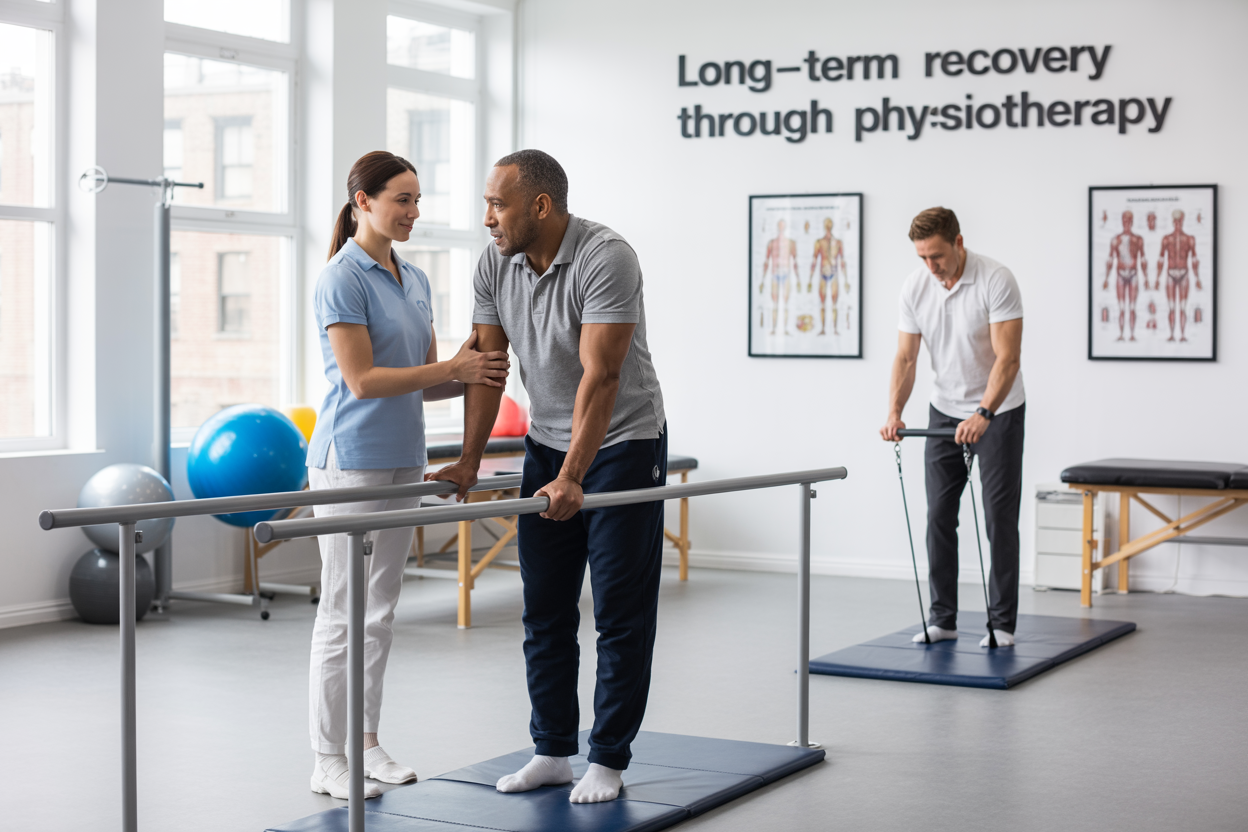
The Role of Physiotherapy and Rehabilitation in Long-Term Recovery
Recovering from injury, surgery, or chronic conditions doesn’t end when you leave the hospital. The real work often begins during the weeks and months that follow, where physiotherapy rehabilitation becomes your roadmap back to full function and independence.
This guide is for patients beginning their recovery journey, caregivers supporting loved ones, and anyone wanting to understand how physical therapy outcomes shape long-term healing. Whether you’re dealing with a sports injury, post-surgical recovery, or managing a chronic condition, knowing what to expect can make all the difference.
We’ll explore how different rehabilitation techniques work together to build your strength and mobility back up. You’ll learn about the common recovery challenges that trip people up and how to navigate them successfully. Finally, we’ll break down the evidence-based rehabilitation metrics that show whether your treatment plan is actually working – because measuring real progress matters more than just going through the motions.
Your path to sustained recovery progress starts with understanding these fundamentals.
Understanding Physiotherapy’s Impact on Recovery Outcomes
Accelerated Healing Through Targeted Movement Therapy
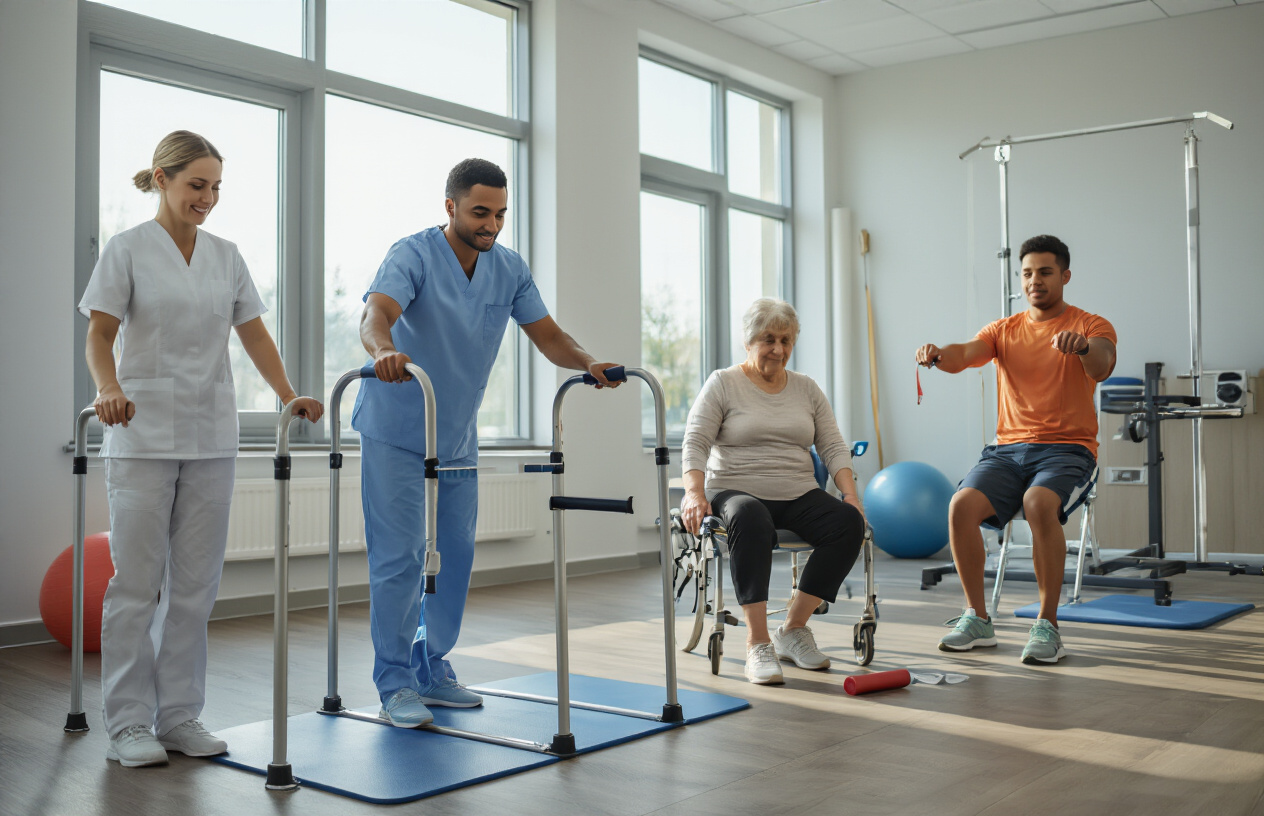
Physiotherapy rehabilitation drives recovery by introducing controlled movements that stimulate blood flow and tissue repair. Targeted exercises activate healing mechanisms while preventing muscle atrophy and joint stiffness. This approach speeds up natural healing processes compared to passive recovery methods, creating optimal conditions for tissue regeneration and functional restoration.
Prevention of Secondary Complications and Setbacks
Physical therapy outcomes show significant reduction in complications like blood clots, pressure sores, and respiratory issues. Early mobilization prevents muscle weakness and maintains cardiovascular health during recovery periods. Physiotherapists identify potential problems before they develop, implementing preventive strategies that keep patients on track toward their recovery goals without costly setbacks.
Restoration of Functional Mobility and Strength
Long-term recovery depends on rebuilding strength and movement patterns essential for daily activities. Physiotherapy benefits include progressive loading protocols that safely challenge muscles, bones, and joints while respecting healing timelines. Patients regain walking ability, balance, coordination, and endurance through systematic training programs tailored to their specific needs and recovery stage.
Enhanced Quality of Life Through Pain Management
Evidence-based rehabilitation incorporates pain management techniques that reduce dependency on medications while improving comfort levels. Manual therapy, therapeutic exercises, and modalities like heat and cold therapy address both acute and chronic pain patterns. This comprehensive approach helps patients sleep better, move more freely, and participate actively in their recovery journey with greater confidence and motivation.
Essential Rehabilitation Techniques for Sustained Progress

Progressive exercise programs tailored to individual needs
Every person’s recovery journey looks different, which is why personalized treatment plans form the backbone of successful physiotherapy rehabilitation. Physical therapists assess your specific condition, current abilities, and recovery goals to design progressive exercise programs that adapt as you heal. These customized routines start with basic movements and gradually increase in complexity and intensity, ensuring your body builds strength without risking re-injury. The beauty of individualized programs lies in their flexibility – they can be modified weekly or even daily based on your progress, pain levels, and response to treatment. Whether you’re recovering from surgery, managing chronic pain, or regaining function after an injury, your exercise program evolves with you, keeping you challenged while staying within safe boundaries.
Manual therapy for improved tissue healing
Hands-on techniques play a crucial role in accelerating recovery and restoring normal tissue function. Manual therapy encompasses various approaches including soft tissue mobilization, joint manipulation, and myofascial release that target specific problem areas. These rehabilitation techniques work by improving blood flow to damaged tissues, reducing inflammation, and breaking down scar tissue that can limit movement. Your therapist uses precise pressure and movement to release tight muscles, improve joint mobility, and stimulate the body’s natural healing processes. The direct contact allows for real-time assessment of tissue quality and immediate adjustment of techniques based on your body’s response, making manual therapy an essential component of evidence-based rehabilitation.
Neuromuscular re-education for optimal movement patterns
Your brain and muscles need to relearn how to work together properly after injury or extended periods of inactivity. Neuromuscular re-education focuses on restoring the communication pathways between your nervous system and muscles to achieve coordinated, efficient movement. This process involves specific exercises that challenge your balance, proprioception, and motor control while rebuilding the muscle memory needed for everyday activities. Therapists guide you through movements that retrain your body to move correctly, preventing compensation patterns that could lead to future problems. From simple balance exercises to complex functional movements, this approach ensures your recovery leads to sustained recovery progress rather than just symptom relief.
Overcoming Common Challenges in Long-term Recovery

Managing patient motivation and adherence to treatment
Maintaining motivation during extended physiotherapy rehabilitation requires strategic goal-setting and consistent communication between therapists and patients. Breaking down long-term recovery into achievable milestones helps patients see tangible progress, while regular check-ins address concerns before they derail treatment plans. Creating personalized treatment plans that align with individual lifestyles and preferences significantly improves adherence rates. Therapists who celebrate small victories and adjust expectations based on realistic timelines foster stronger therapeutic relationships, leading to better sustained recovery progress and reduced dropout rates.
Addressing psychological barriers to physical progress
Mental health challenges often create significant obstacles in physiotherapy rehabilitation, particularly when patients face chronic pain or mobility limitations. Fear of re-injury, depression from lifestyle changes, and anxiety about future capabilities can severely impact physical recovery outcomes. Successful rehabilitation programs integrate psychological support through counseling referrals, mindfulness techniques, and cognitive behavioral strategies. Therapists trained in trauma-informed care recognize when emotional barriers require additional intervention, ensuring that psychological healing accompanies physical restoration for comprehensive long-term recovery.
Adapting protocols for chronic conditions and setbacks
Recovery challenges intensify when patients experience unexpected setbacks or manage multiple chronic conditions simultaneously. Evidence-based rehabilitation approaches require constant modification as patient needs evolve, particularly for conditions like arthritis, fibromyalgia, or post-surgical complications. Adaptive protocols incorporate flexibility in exercise intensity, alternative treatment modalities, and modified timelines that account for flare-ups or plateau periods. Experienced physiotherapists develop contingency plans that maintain momentum despite temporary reversals, using creative problem-solving to navigate complex medical histories while preserving patient confidence and treatment effectiveness.
Measuring Success Through Evidence-Based Recovery Metrics
Functional improvement assessments and benchmarks
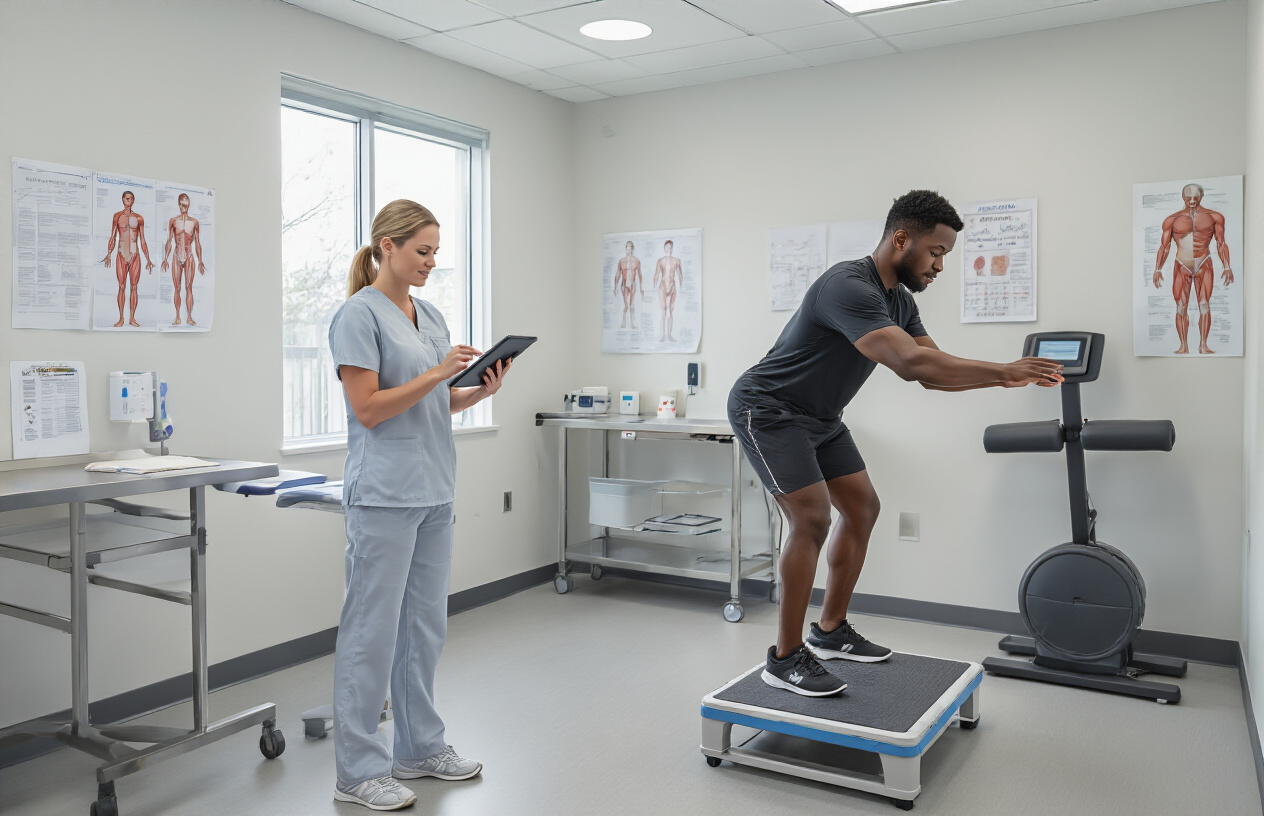
Tracking functional improvement requires standardized assessment tools like the Functional Independence Measure (FIM) and Berg Balance Scale. These physiotherapy rehabilitation benchmarks evaluate specific movements, balance, and daily task performance. Progress tracking compares baseline measurements against weekly improvements, establishing clear recovery targets. Physical therapists document strength gains, range of motion increases, and coordination improvements using validated scales that demonstrate evidence-based rehabilitation outcomes.
Pain reduction and mobility enhancement tracking
Pain scales and mobility measurements provide quantifiable data for long-term recovery progress. Visual analog scales (VAS) and numeric rating scales track pain intensity changes over time. Goniometer measurements assess joint flexibility improvements, while timed walking tests evaluate mobility enhancement. Digital tracking tools record daily pain levels and movement patterns, creating comprehensive rehabilitation metrics that guide treatment adjustments and demonstrate sustained recovery progress.
Return to daily activities and work performance indicators
Return-to-work assessments evaluate job-specific functional capacity and workplace readiness. Occupational therapists use task simulation tests to measure lifting capacity, endurance levels, and cognitive function. Activities of daily living (ADL) assessments track independence in self-care, household management, and community participation. Performance indicators include completion times, assistance levels required, and safety awareness during task execution, providing clear evidence-based rehabilitation benchmarks.
Long-term health maintenance and injury prevention outcomes
Long-term success measurement extends beyond initial recovery goals to include sustained health improvements. Follow-up assessments at 6, 12, and 24 months track injury recurrence rates, functional maintenance, and quality of life scores. Prevention outcomes measure adherence to home exercise programs, lifestyle modifications, and proactive health behaviors. These physiotherapy benefits include reduced healthcare utilization, maintained independence levels, and improved overall wellness indicators that demonstrate comprehensive rehabilitation success.

Physiotherapy and rehabilitation serve as the backbone of successful long-term recovery, offering structured pathways that transform initial healing into lasting wellness. The evidence clearly shows that combining targeted rehabilitation techniques with consistent progress monitoring creates a powerful framework for overcoming the inevitable challenges that arise during extended recovery periods. These approaches don’t just address immediate symptoms – they build the foundation for sustained physical function and improved quality of life.
Recovery isn’t a destination you reach and forget about; it’s an ongoing journey that requires the right tools and support system. If you’re navigating your own recovery process or supporting someone who is, consider working with qualified physiotherapy professionals who understand the complexities of long-term healing. Take the first step today by scheduling a consultation to discuss how evidence-based rehabilitation can accelerate your progress and help you achieve the lasting recovery you deserve.